
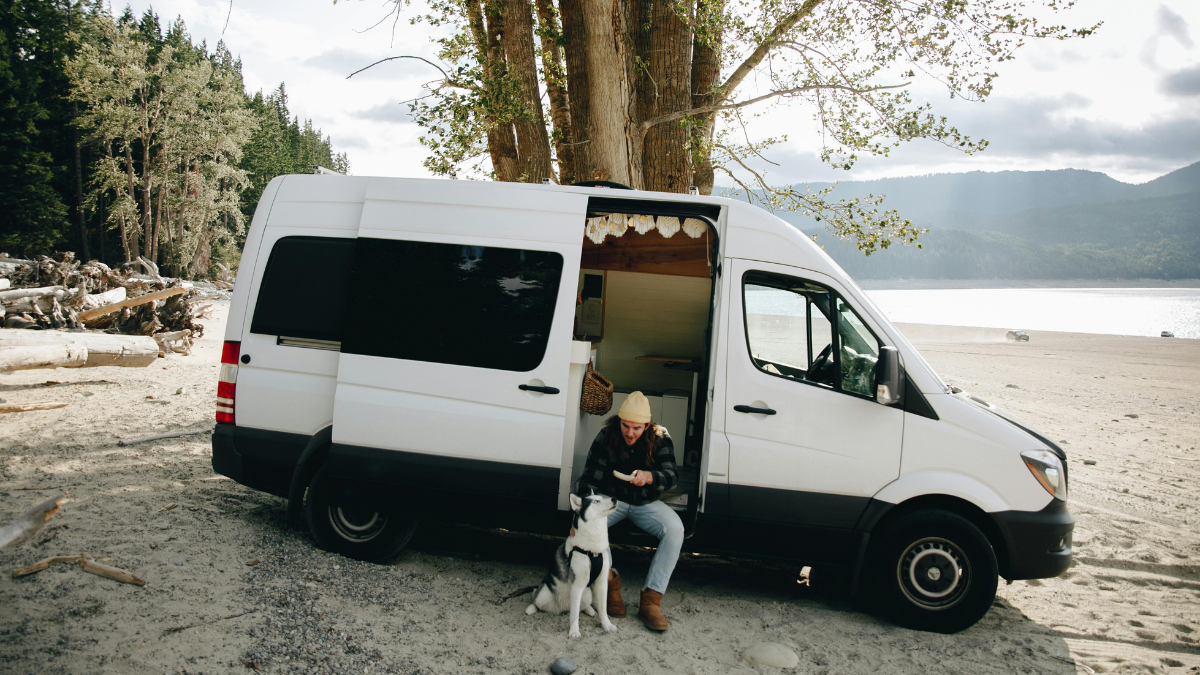

The North Coast 500 (NC500) is often called Scotland’s answer to Route 66, and for good reason. This 516-mile loop around the northernmost tip of Scotland delivers rugged coastlines, dramatic mountains and some of the most beautiful camping spots in the UK.
For those travelling with a dog, it can be an unforgettable adventure, provided you plan carefully.
This guide covers how to prepare your van, where to stop, and what to keep in mind when travelling the NC500 with your four-legged companion.
Preparing for the NC500 with a Dog
A successful road trip starts with preparation. The NC500 passes through remote landscapes with limited facilities, so both you and your dog need to be ready for long stretches without shops, vets or campsites.
Ideal Van Setup
If you’re tackling the NC500 in a campervan, it helps to make it as dog-friendly as possible.
- Sleeping area: Create a designated sleeping space for your dog with a non-slip mat or raised bed so your dog feels secure while travelling and resting.
- Ventilation: Keep airflow in mind. Roof vents, fans or window covers are vital for keeping temperatures comfortable, especially in summer.
- Storage: Allocate a section of the van for your dog’s food, leads, towels and cleaning kit to keep everything tidy.
- Safety: Use a crash-tested seat belt harness or secure crate. The winding coastal roads require extra caution.
- Clean-up station: A collapsible bucket or portable shower makes washing off muddy paws much easier.
If you’re preparing for a van build to take on the NC500, our dog friendly conversion guide could help.
Planning the Route and Timing
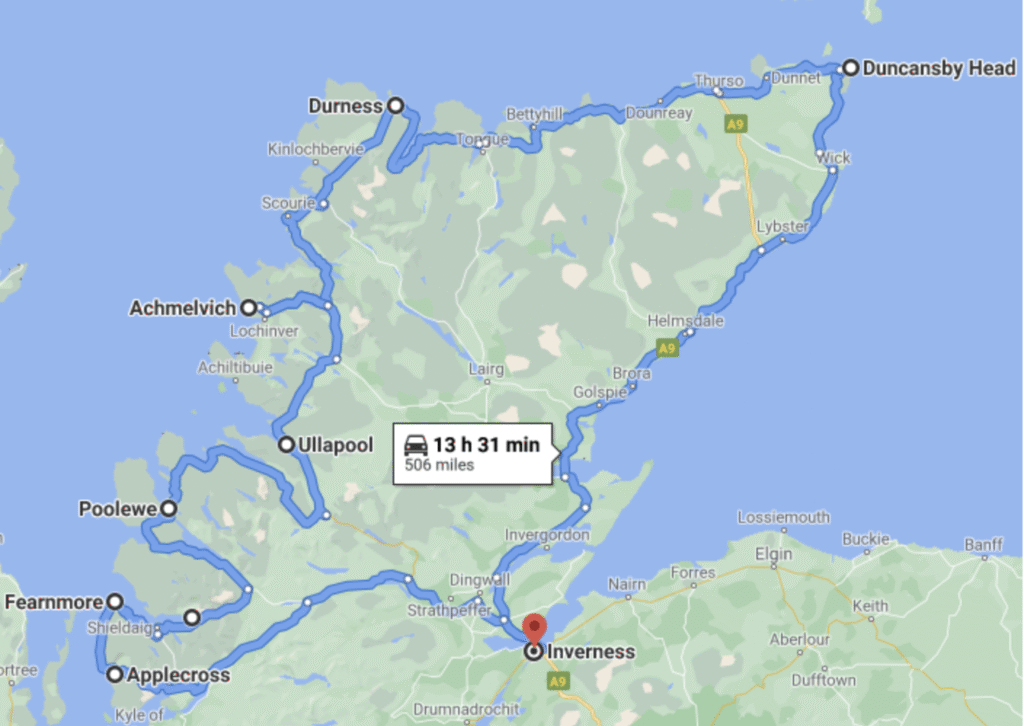
Most people take 5 to 10 days to complete the North Coast 500, but travelling with a dog is best enjoyed at a slower pace. Aim for 10 to 14 days if you can, allowing time for long walks, swims and unplanned detours.
You can drive the route clockwise or anticlockwise starting from Inverness.
The scenery changes dramatically as you go, so it’s worth checking road conditions and weather forecasts before setting out.
Fuel stations, vets and supermarkets are sparse in the far north, so plan ahead for refuelling, food supplies and any medication your dog may need.
Dog-Friendly Stops and Highlights
There are countless dog-friendly spots along the NC500, but a few stand out for both accessibility and natural beauty.
Inverness and Black Isle
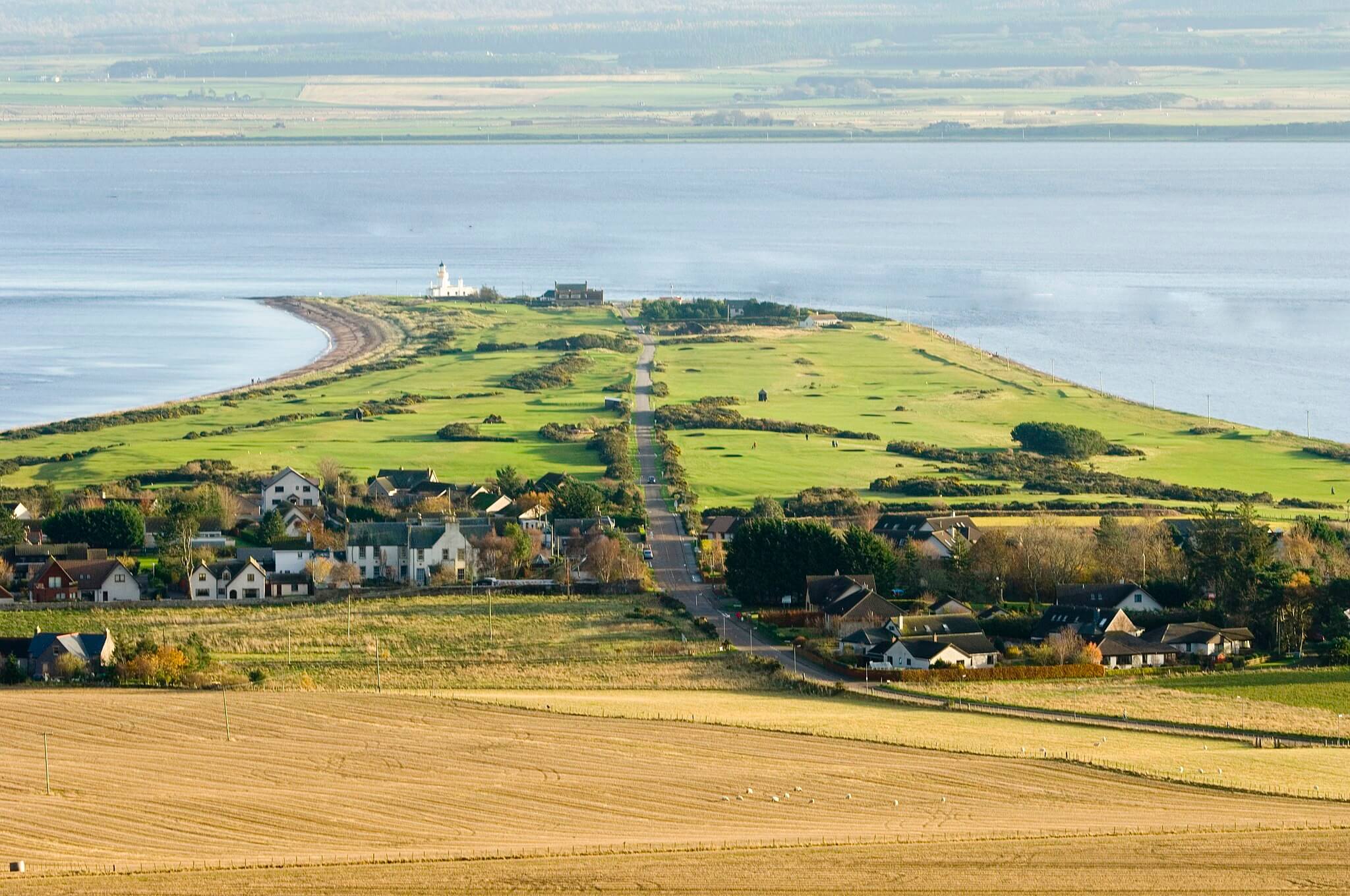

Start your journey in Inverness, exploring the River Ness paths before heading over to the Black Isle, known for its beaches and dolphin sightings at Chanonry Point.
Dornoch and Brora
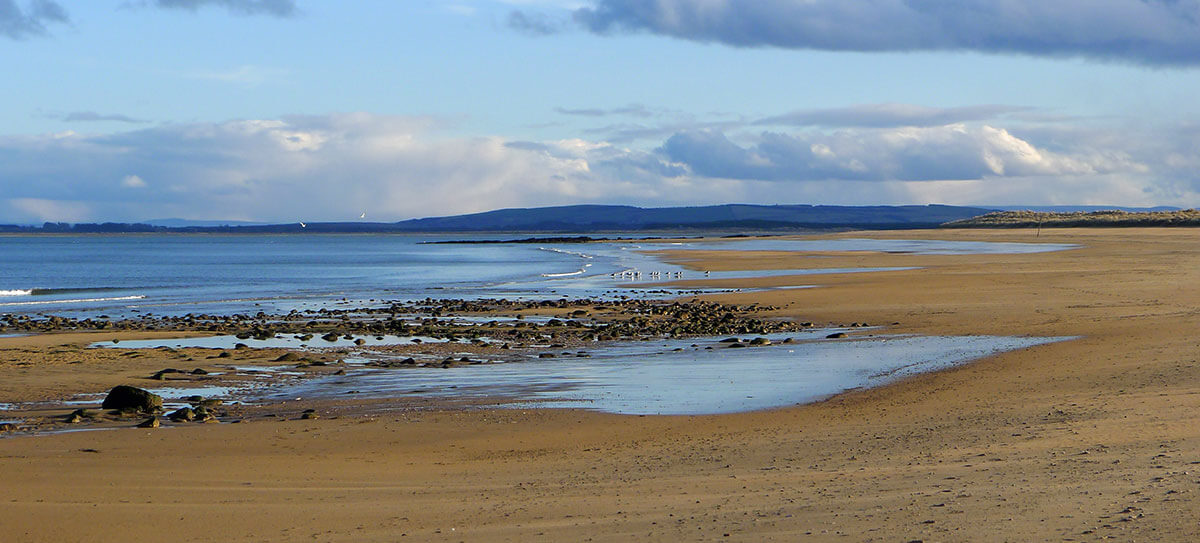

Dornoch Beach is wide, sandy and perfect for morning runs. The nearby town welcomes dogs in many cafés and shops, making it a relaxing early stop.
Lochinver and Assynt
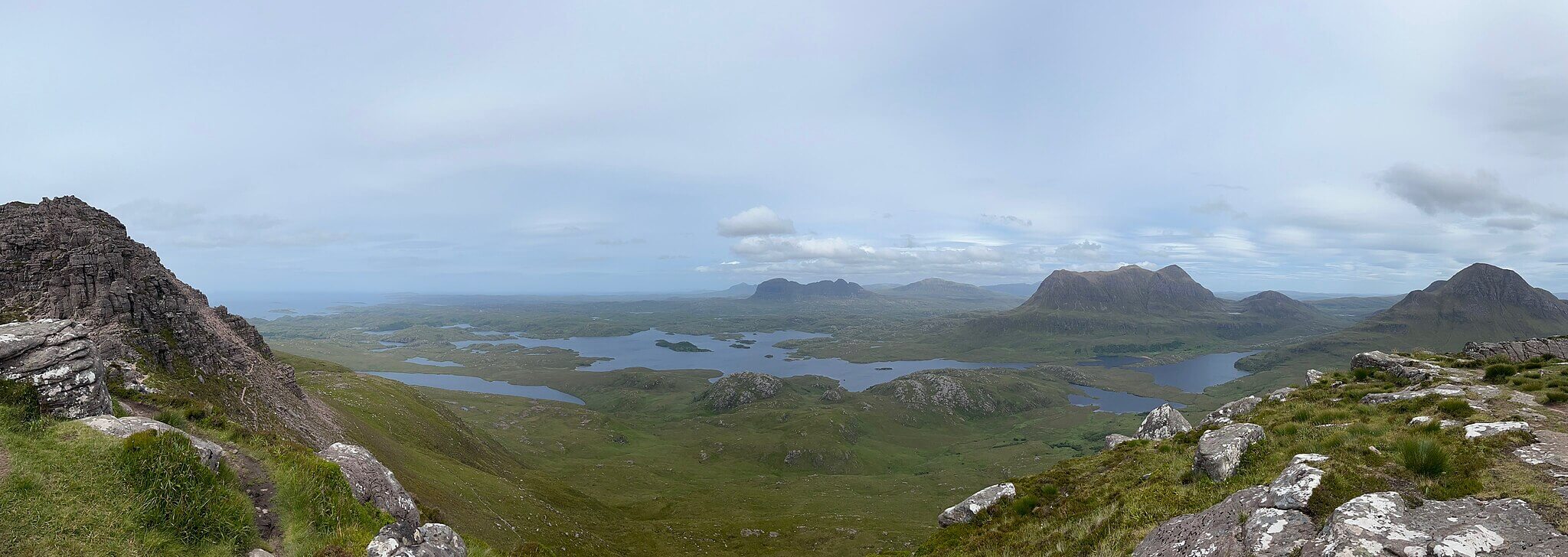

The landscapes here are wild and remote, with dramatic peaks such as Suilven offering rewarding day hikes. Many campsites around Lochinver are dog-friendly and have direct beach access.
Durness and Smoo Cave
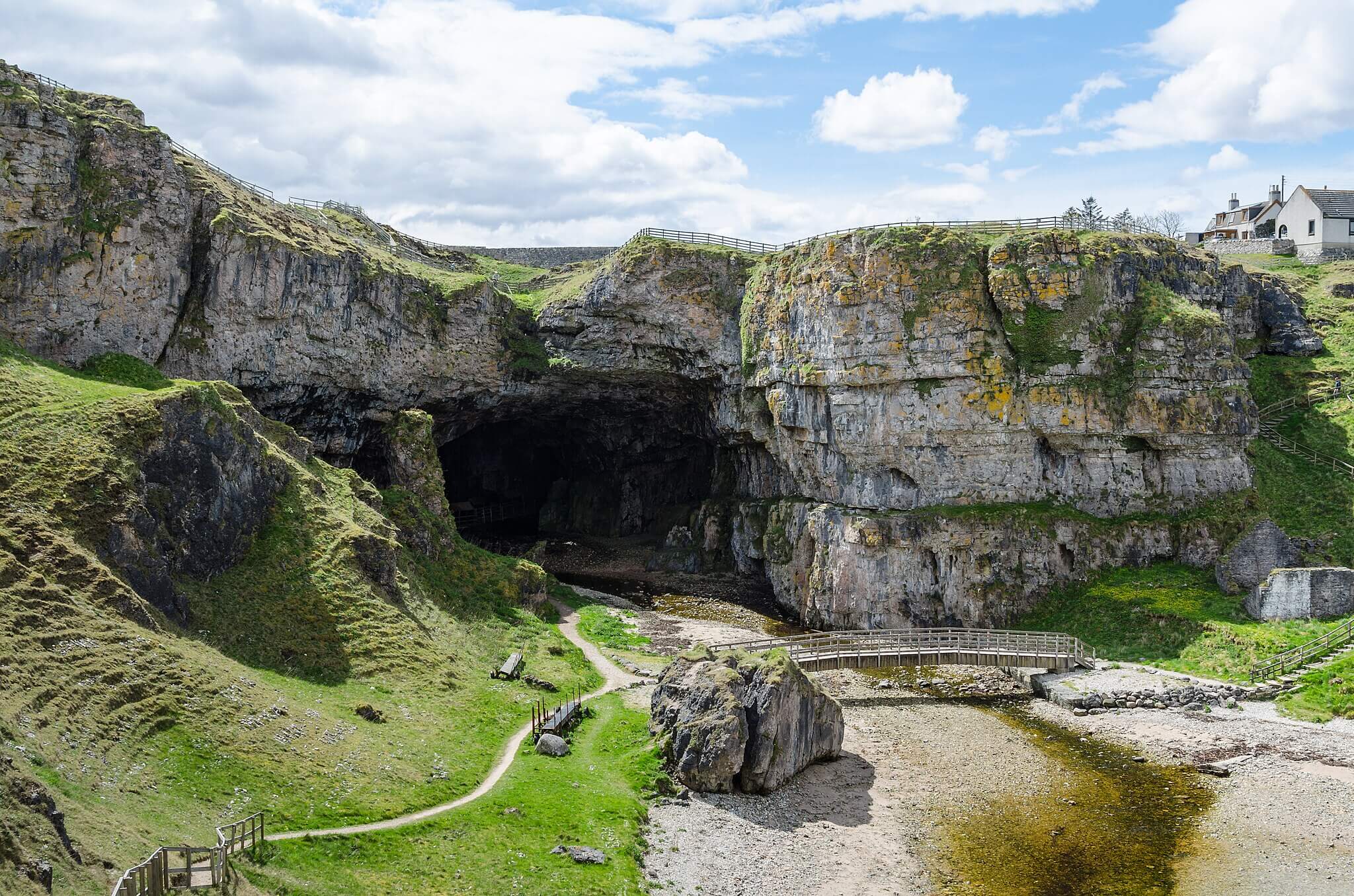

A must-see on the northern coast, Smoo Cave is a vast sea cavern accessible by a short walk. Dogs can join you, but check the water level before venturing in. Nearby Balnakeil Beach is one of Scotland’s most stunning stretches of sand.
Applecross Peninsula
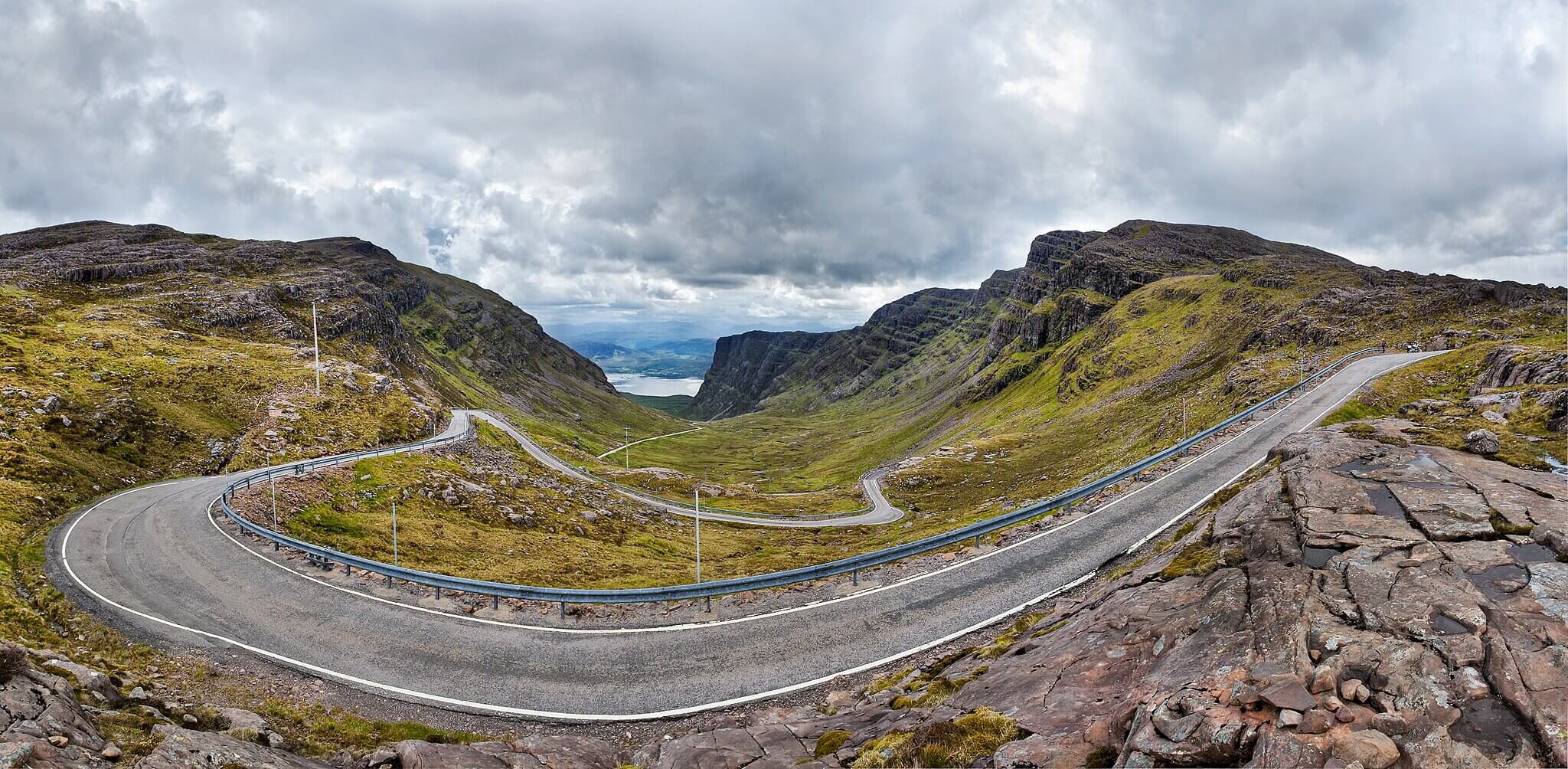

The Bealach na Bà road to Applecross is steep and narrow but rewards with spectacular views. The Applecross Campsite and Walled Garden Café both welcome dogs.
Where to Stay
The NC500 offers a mix of official campsites, wild camping spots and small community pitches.
- Campsites: Many official sites around Ullapool, Durness and Gairloch are dog-friendly, but always book in advance during summer.
- Wild camping: Legal under the Scottish Outdoor Access Code, provided you camp responsibly and keep your dog under control at all times.
- Facilities: Some villages offer small community camping areas with showers and waste disposal. These are great for breaking up wilder nights.
Practical Advice for the Journey
- Tick prevention: The Highlands are tick hotspots, especially from spring to autumn. Use a preventative treatment and check your dog daily.
- Weather: Be prepared for rapid changes. Carry towels and waterproofs for both you and your dog.
- Waste: Always pick up after your dog. Rural communities are protective of their land and expect responsible visitors.
- Hydration: Bring enough fresh water, as not all streams are safe for drinking.
- Etiquette: Keep your dog on a lead near livestock and respect “no dogs” signs around nature reserves or croft land.
Food and Supplies
Large supermarkets are mainly found in Inverness, Dingwall and Thurso. Stock up before entering more remote sections. For dog food, plan ahead or bring sealed portions. Local stores in villages often carry basics, but choice is limited.
Example 10-Day NC500 Itinerary with a Dog
- Day 1: Inverness to Dornoch – Walk Dornoch Beach
- Day 2: Dornoch to Brora – Visit Dunrobin Castle gardens (dogs allowed outside)
- Day 3: Brora to Helmsdale – Short coastal walks
- Day 4: Helmsdale to Durness – Explore Smoo Cave and Balnakeil Beach
- Day 5: Rest day around Durness
- Day 6: Durness to Lochinver – Scenic drive through Assynt
- Day 7: Lochinver to Ullapool – Beach walks and coastal trails
- Day 8: Ullapool to Gairloch – Stop at Mellon Udrigle Beach
- Day 9: Gairloch to Applecross – Cross Bealach na Bà
- Day 10: Applecross to Inverness – Return via Shieldaig and Torridon
This itinerary keeps driving hours short, leaves room for exploration, and includes plenty of rest stops for your dog.
Final Thoughts
The North Coast 500 is one of the UK’s greatest road trips you can take with your dog. With the right preparation, you can experience vast beaches, mountain trails and peaceful nights under the stars, all while travelling responsibly and safely.
Take your time, plan ahead and respect the landscape and communities along the way. The Highlands reward those who explore them with care.