
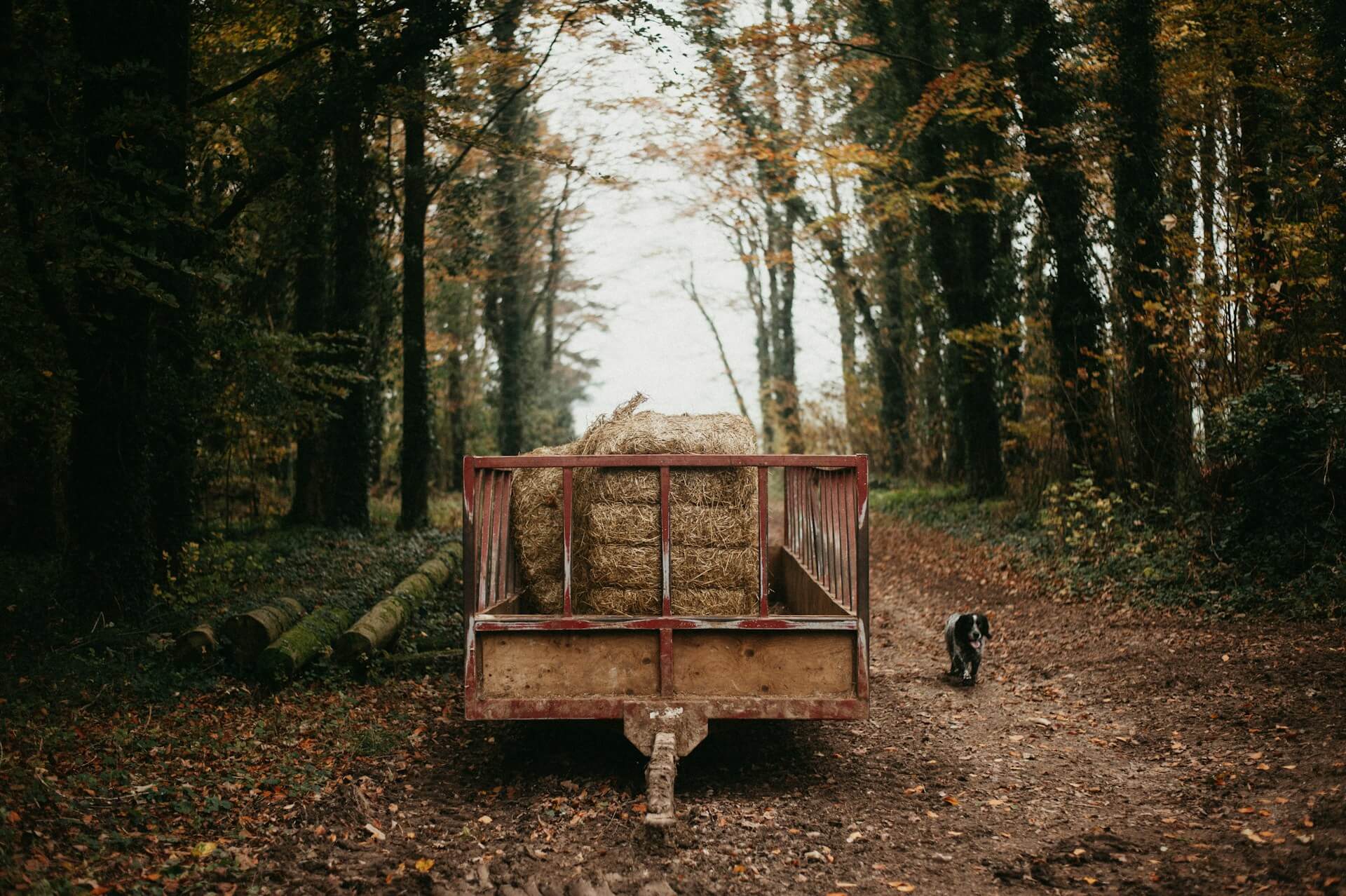

Suffolk rewards dog walkers with a landscape that feels quietly distinct from the rest of England. The coastline is low and wide, the forests are vast and pine-scented, and the heathland runs for miles without interruption in a way that has become rare elsewhere. The county sits on the driest edge of the country and walking here feels different as a result, with sandy paths underfoot, pale light above and air that smells of sea salt even several miles inland.
These dog friendly walks in Suffolk cover the full range of what the county offers, from purple-flowered heathland on the coast to deep forest trails in the Brecks and river estuary paths through Constable Country. Every walk has been chosen for what it delivers to the dog as much as the owner, with terrain that stays interesting, scent environments that shift constantly and space to move freely where the landscape allows.
Dunwich Heath and Forest Circuit
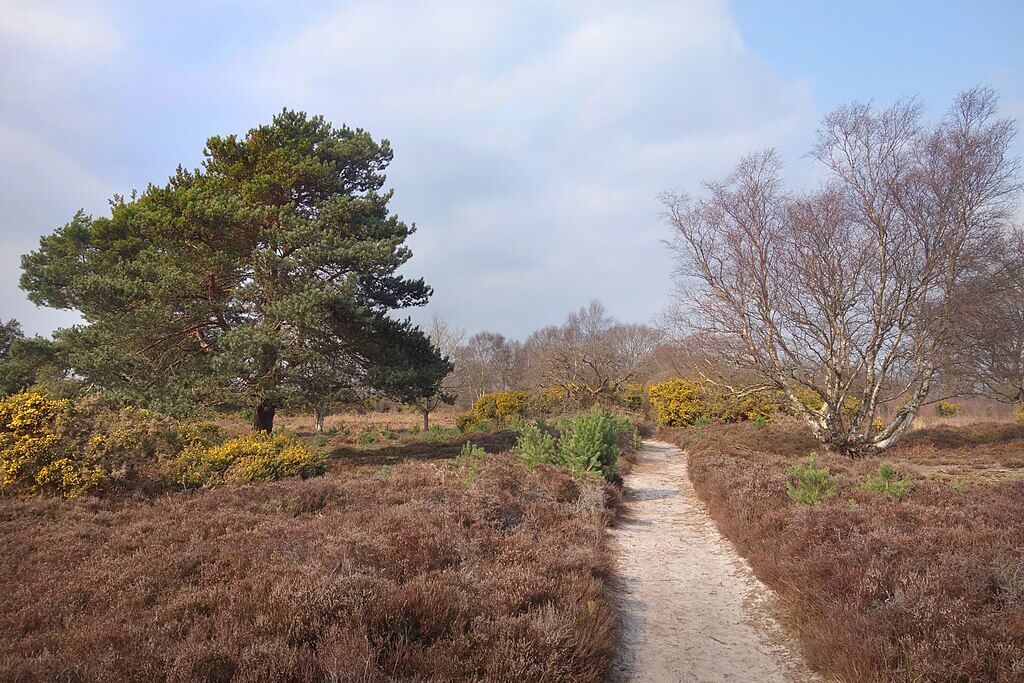

Dunwich Heath sits on the Suffolk coast backed by Dunwich Forest, and the circuit that loops between them is one of the best combinations of coastal heathland and inland pine forest that East Anglia has to offer. The heath itself is National Trust managed, with low heather that blooms deep purple in late summer and sandy paths that thread through to the cliff edge where the land drops away to the beach. The forest behind is dense and quiet, with wide forestry tracks under Scots pine where the light stays dim even on bright days.
For dogs, this is a walk with two completely different halves. The heathland section is all exposure and sea air, with the smell of coastal grass, rabbits everywhere underfoot and the sound of skylarks overhead. The forest section is the opposite, enclosed and scent-rich with pine resin, woodland floor smells and the cool shade that makes summer walking bearable. The Woof Walk trail allows off-lead running between March and August when the rest of the heath requires leads, and the beach at Dunwich provides a shingle run at the end if energy remains.
- Distance: 6.4 km (4 miles) circular
- Difficulty: Easy, flat heathland and forest paths
- Parking: Dunwich Heath National Trust car park, Minsmere Road, pay and display
- Facilities: National Trust tearoom with dog-friendly outdoor seating and water bowls
- Terrain: Sandy heathland paths, pine forest tracks and optional beach section
- Best for: Dogs that love coastal heathland smells, pine forest shade and rabbit-rich terrain
Thetford Forest Brandon Country Park Circuit
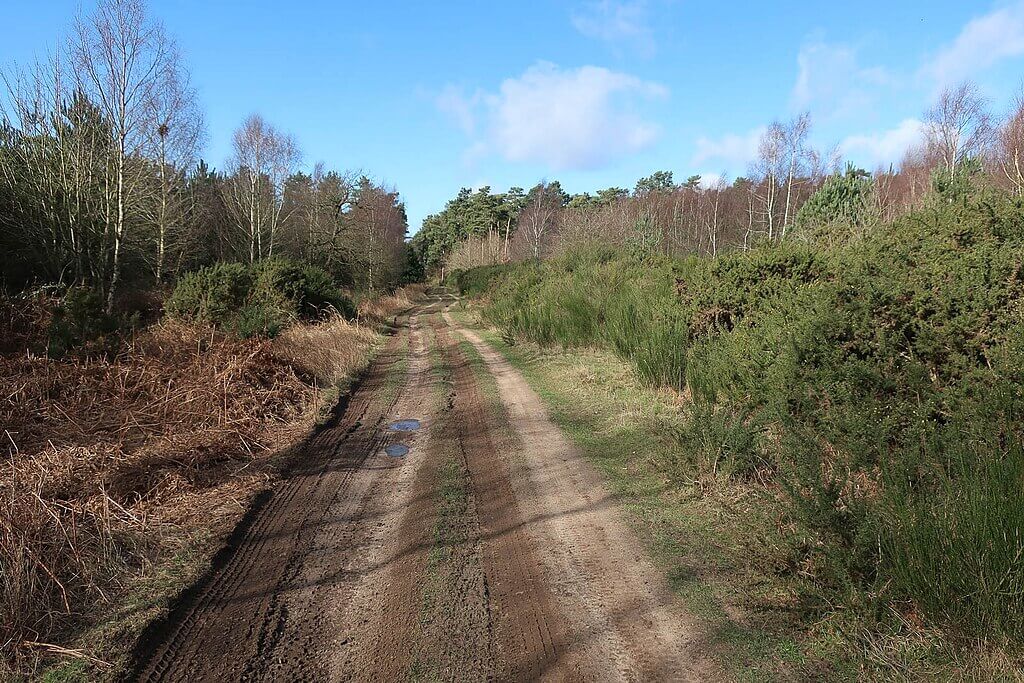

Brandon Country Park sits on the edge of Thetford Forest where the Suffolk-Norfolk border runs through the Brecks, and the circuit here moves from formal parkland into the vast forest beyond with barely a transition. The park itself holds landscaped grounds, a Gothic mausoleum and mature trees that were planted two centuries ago, but the trails that push into Thetford Forest proper become something different entirely, with endless pine tracks, open sandy clearings and the kind of scale that makes the forest feel genuinely remote.
The Brecks landscape is unlike anywhere else in England, with dry sandy soil, twisted pines and an openness to the forest that most conifer plantations lack. For dogs, the scent environment is distinctive, pine resin and dry sand and the rabbit warrens that run beneath almost every clearing. The forest trails are excellent for distance, with miles of well-surfaced paths that dogs with stamina can cover at pace without needing constant management. The arboretum back in the park provides shade and structure, and the cafe near the entrance is dog friendly with outdoor tables.
- Distance: 8.9 km (5.5 miles) circular or longer into Thetford Forest
- Difficulty: Easy to moderate, flat forest trails with distance options
- Parking: Brandon Country Park car park, Bury Road, pay and display
- Facilities: Park cafe with outdoor seating, toilets and picnic areas
- Terrain: Parkland paths, pine forest tracks and sandy clearings
- Best for: Dogs that thrive on long forest miles, pine scent and sandy terrain underfoot
Orwell Country Park to Nacton Shore
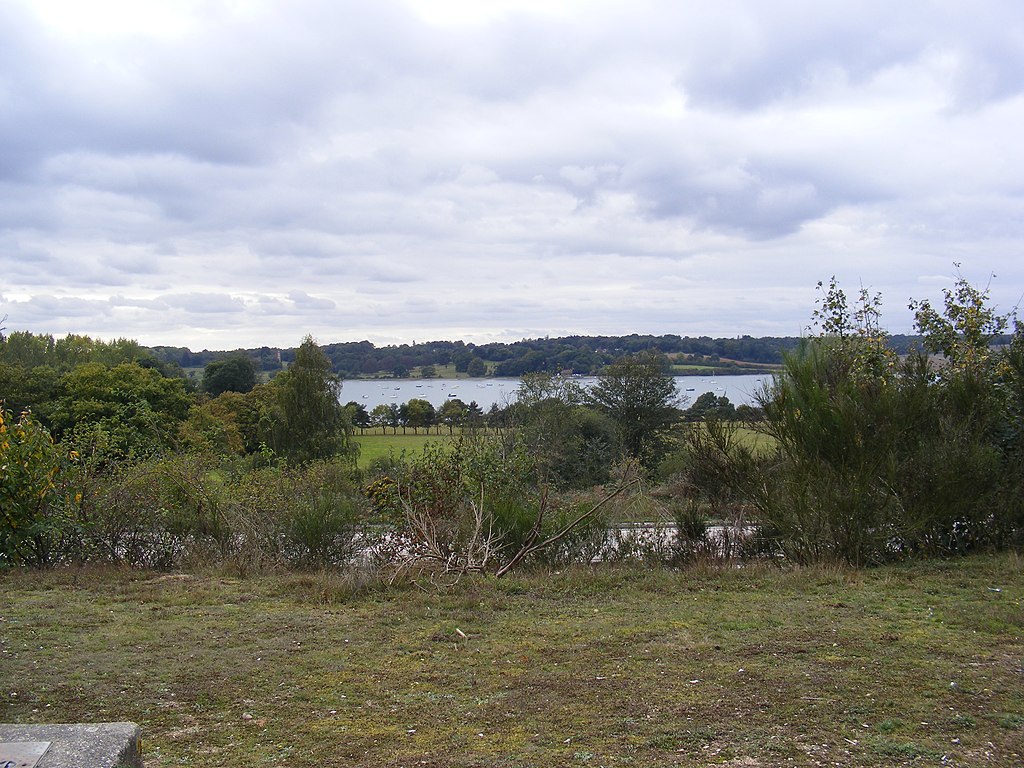

Orwell Country Park sits on the outskirts of Ipswich where the River Orwell estuary opens wide, and the walk from the park through to Nacton Shore combines ancient woodland, open heath and the mudflats and saltmarsh of the estuary edge. The woodland section is dense and varied, with oak, ash and hazel, while the heath opens out onto views across the Orwell with the water visible through gaps in the riverside vegetation.
Dogs that respond to tidal environments and shifting scents will find this walk endlessly stimulating. The woodland holds the kind of layered undergrowth that keeps noses busy, while the heath and shore sections bring salt air, bird activity and the mudflats at low tide where wading birds feed. The river at Nacton Shore is accessible for dogs that want to wade, and the combination of forest, heath and water in a single circuit makes this one of the most texturally varied walks on the Suffolk coast. Pin Mill is nearby for a post-walk pint with water access for swimming dogs.
- Distance: 6.4 km (4 miles) circular
- Difficulty: Easy, flat woodland and estuary paths
- Parking: Orwell Country Park main car park, free
- Facilities: None on site, cafes and pubs in nearby Ipswich
- Terrain: Ancient woodland, open heath and estuary mudflats
- Best for: Dogs energised by tidal smells, mudflats and woodland variety
Knettishall Heath Breckland Circuit
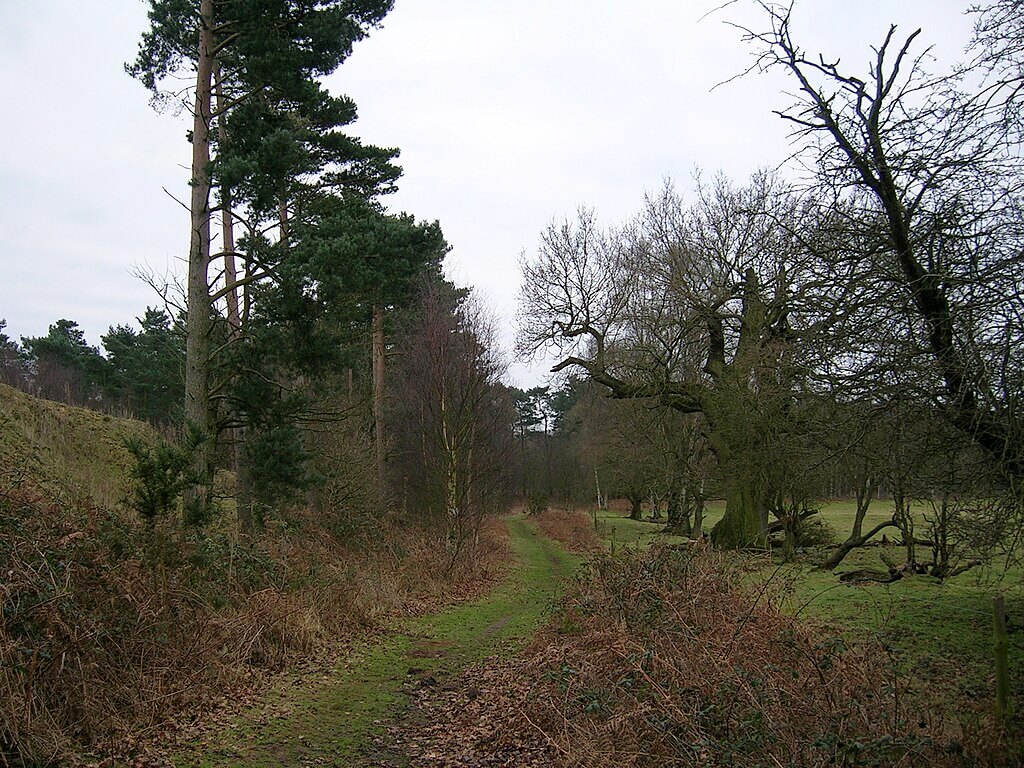
Knettishall Heath is one of the few dog-friendly nature reserves in Suffolk and sits deep in the Breckland on the Little Ouse River where Norfolk and Suffolk meet. The reserve holds 176 hectares of heathland, grassland and scattered pine, with sandy paths threading through terrain that feels genuinely wild despite the managed status. The Little Ouse River runs along the southern edge and provides a natural boundary where dogs can access the water between stretches of dry heathland above.
The Brecks environment is distinctive and dogs register it immediately. The sandy soil, the smell of dry grass and pine, and the constant presence of rabbits and ground-nesting birds create a scent landscape that is nothing like the heavier clay soils further east. Bagot goats and Exmoor ponies graze parts of the reserve to maintain the habitat, adding movement and interest that most dogs find fascinating. The pine trail allows off-lead running year round, while other sections require leads during nesting season. This is proper Breckland walking without the crowds of Thetford Forest.
- Distance: 4.8 km (3 miles) circular
- Difficulty: Easy, flat heathland and woodland paths
- Parking: Knettishall Heath car park, free
- Facilities: Basic facilities, nearest cafes in Thetford
- Terrain: Sandy heathland, scattered pine and riverside paths
- Best for: Dogs that love dry sandy terrain, grazing animals and genuine quietness
Sutton Hoo Estate and River Deben
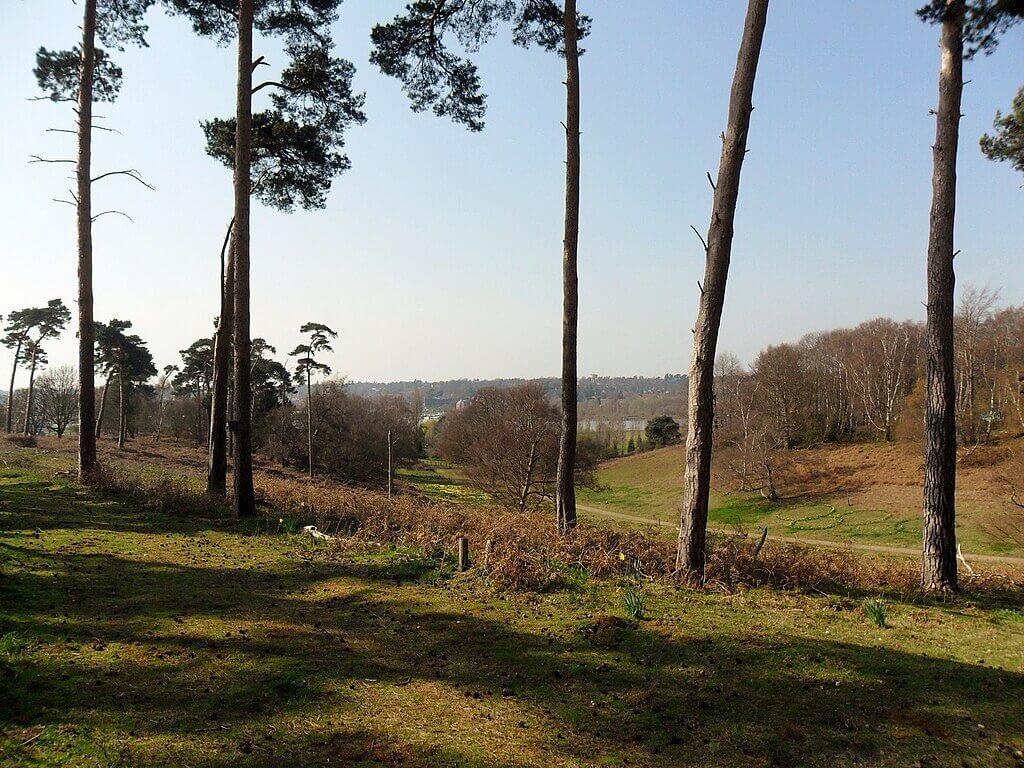

Sutton Hoo sits above the River Deben near Woodbridge and combines one of England’s most important archaeological sites with riverside and woodland walking that extends well beyond the burial mounds themselves. The estate trails follow the Deben through mature mixed woodland and open meadows, with the river winding lazily below and views across the valley to Wilford Bridge. Dogs are not allowed in the burial mound area, but the wider estate and riverside paths provide miles of proper walking.
The Deben is tidal and the river smells shift with the water level, which dogs find endlessly interesting. At low tide the mudflats are exposed and wading birds work the edge, while at high tide the water comes right up to the tree line and the whole atmosphere changes. The woodland sections are dense and cool with good undergrowth for scent work, and the meadows open out onto long views that give the walk a sense of scale. The estate cafe is dog friendly with outdoor seating that looks across the valley.
- Distance: 6.4 km (4 miles) circular
- Difficulty: Easy, riverside and woodland terrain with some gentle slopes
- Parking: Sutton Hoo National Trust car park, pay and display
- Facilities: National Trust cafe with dog-friendly outdoor seating
- Terrain: Riverside paths, mixed woodland and open meadows
- Best for: Dogs that love tidal rivers, woodland scent and archaeological curiosity
Dunwich Forest and Westleton Heath Loop
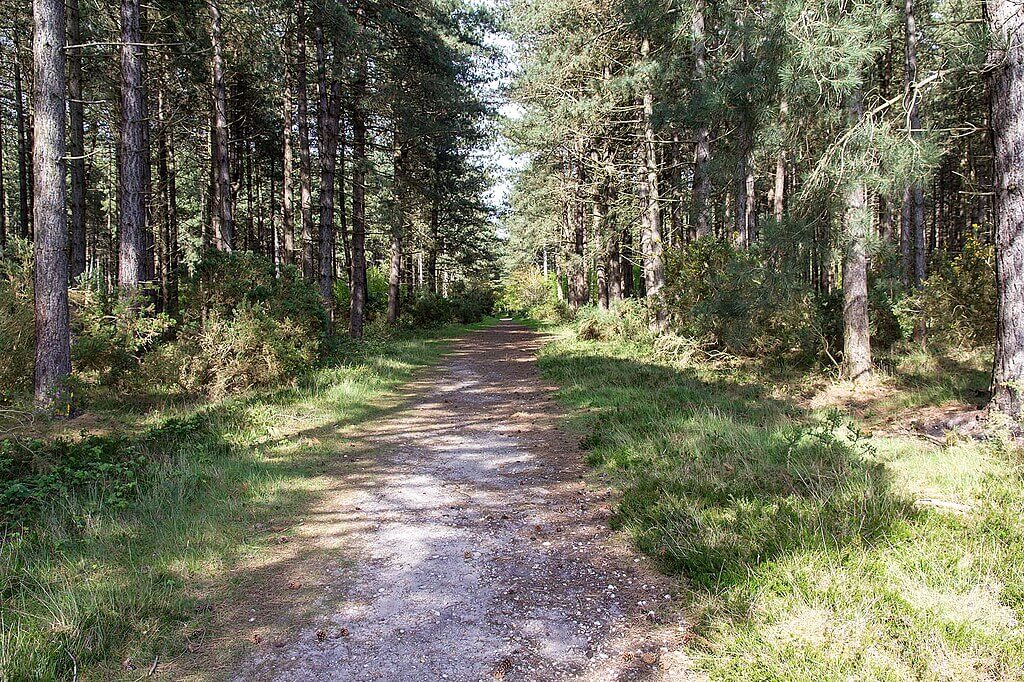

Dunwich Forest and Westleton Heath sit side by side on the Suffolk coast and the loop that connects them moves between two completely different environments in a single circuit. The forest is dense Scots pine with wide forestry tracks that stay cool even in summer, while Westleton Heath is open and windswept with low heather, gorse and sandy paths that run for miles without interruption. The transition between the two is abrupt and satisfying.
Dogs that need variety will thrive here. The forest section is all pine scent, deep shade and the kind of enclosed walking that suits dogs who prefer structure and clear paths. The heath section is the opposite, with wind, exposure and the smell of coastal grass and rabbit warrens beneath every patch of heather. Wild ponies and red deer graze parts of the heath and forest, adding movement and scent that most dogs register immediately. This is a walk that delivers two distinct experiences without needing to drive between them.
- Distance: 11.3 km (7 miles) circular
- Difficulty: Moderate, flat terrain with distance
- Parking: Free forestry car park on Westleton Road before Dunwich village
- Facilities: Limited on route, cafes in Dunwich and Westleton villages
- Terrain: Pine forest tracks and open heathland paths
- Best for: Dogs that thrive on contrasting environments and longer distance walks
River Stour: Flatford to Dedham
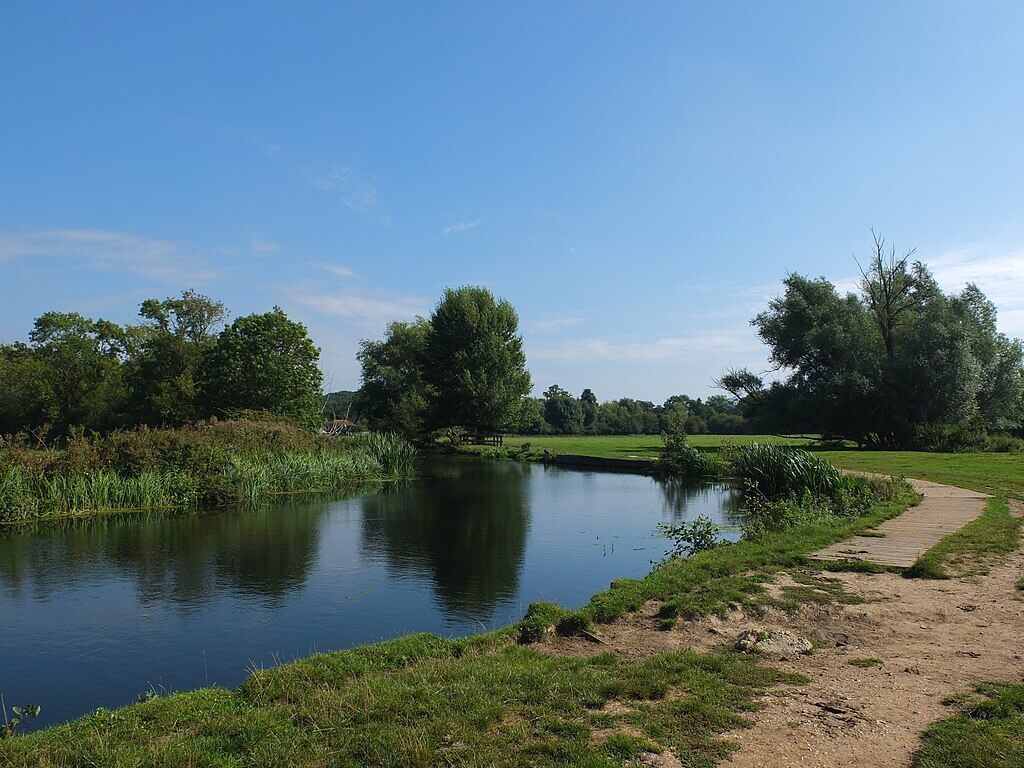

The River Stour runs through Dedham Vale between Flatford and Dedham in the landscape that John Constable painted repeatedly and is now known simply as Constable Country. The riverside path between the two villages follows the Stour through water meadows, past Flatford Mill and Willy Lott’s Cottage, under willows and across footbridges where the river splits and rejoins. The walking is gentle and the landscape is pastoral in a way that has not changed significantly since Constable’s time.
For dogs, the Stour is a river walk at its absolute best. The water is accessible throughout, shallow and slow-moving with gravel banks where dogs can wade without any of the hazards of faster water. The meadows hold cattle and sheep seasonally, which requires lead work in places, but the stretches of open riverbank allow freedom where the livestock are absent. The combination of water access, riverside shade and the steady rhythm of a lowland river makes this one of the most satisfying walks in Suffolk for dogs that love water.
- Distance: 4.8 km (3 miles) one way, 9.7 km (6 miles) return
- Difficulty: Easy, flat riverside terrain
- Parking: National Trust Flatford car park, pay and display
- Facilities: National Trust tearoom at Flatford, cafes in Dedham village
- Terrain: Riverside paths, water meadows and footbridges
- Best for: Water-loving dogs and those that thrive on gentle, accessible river walking
Tunstall Forest Circuit
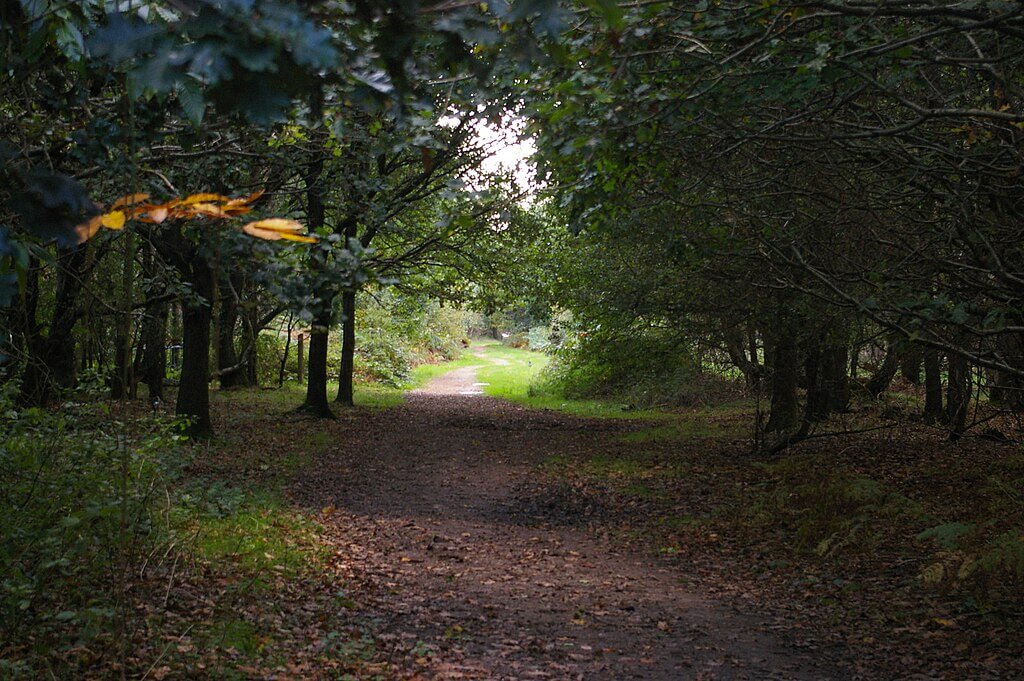

Tunstall Forest sits on the Suffolk coast between Orford and Snape and is one of the quieter forest options in the county, with waymarked trails through mature pine and mixed woodland that stay genuinely uncrowded even in summer. The forest holds a mix of conifer plantation and broadleaf sections, with the paths threading between them and breaking out into clearings where the light changes completely. The going is flat and the trails are well surfaced, making this an excellent option for dogs needing distance without difficulty.
The scent environment shifts constantly as the trail moves between pine plantation and mixed woodland, which keeps dogs engaged throughout. The forest floor holds the kind of undergrowth and fallen timber that provides continuous interest for scent-driven dogs, and the clearings offer space to open up the pace without losing the sense of being enclosed by trees. Tunstall lacks the drama of the coastal heaths but delivers exactly what a proper forest walk should, quiet, well-surfaced and genuinely restorative for both dogs and owners.
- Distance: 6.4 km (4 miles) circular
- Difficulty: Easy, flat forest terrain
- Parking: Tunstall Forest car park, Tunstall Common, free
- Facilities: None on site, nearest facilities in Snape
- Terrain: Pine and mixed woodland tracks with forest clearings
- Best for: Dogs that love sustained forest walking without crowds or complexity
Alton Water Reservoir Circuit
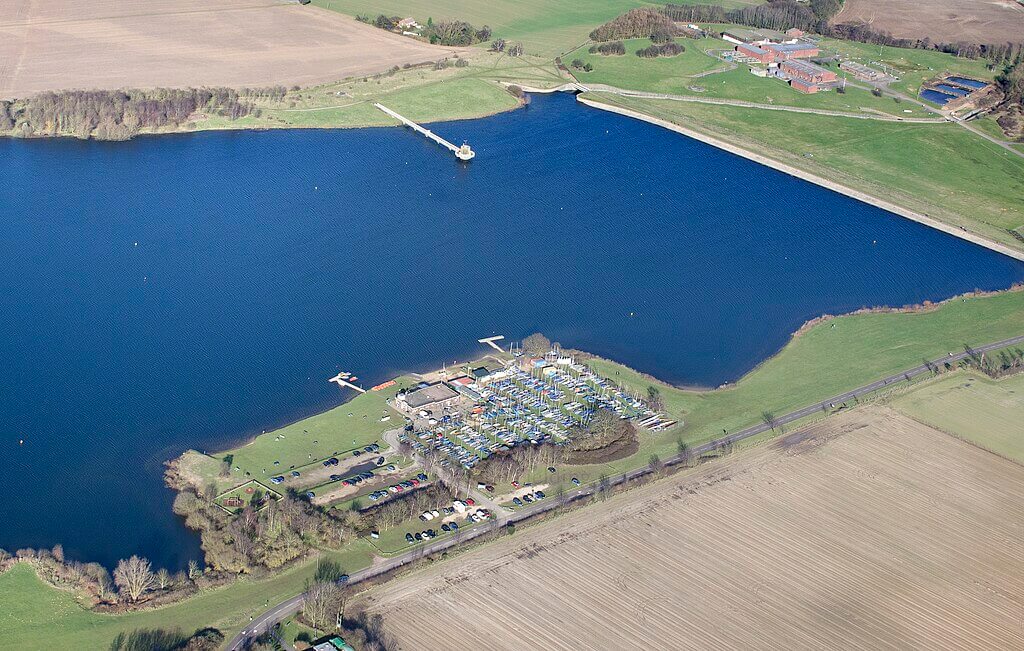
Alton Water sits just south of Ipswich and is Suffolk’s largest reservoir, with a perimeter path that runs for 13 kilometres around the water’s edge through woodland, open grassland and sections of wetland where the reservoir meets its feeder streams. The path is flat and well surfaced throughout, making this one of the most accessible long walks in the county. The water is always present and always visible, which gives the walk a consistent rhythm that suits dogs and owners who prefer structure.
For dogs, the appeal is the water access and the bird activity. The reservoir attracts wildfowl year-round and the edges of the water provide shallow sections where dogs can wade without needing deep water confidence. The woodland sections offer shade and scent variety, while the open grassland stretches allow proper running for dogs with recall. Leads are required throughout to protect the bird population, but the path is broad enough and the water access frequent enough that the restriction does not diminish the quality of the walk.
- Distance: 13 km (8 miles) full circuit or shorter sections
- Difficulty: Easy, flat reservoir perimeter path
- Parking: Multiple car parks around the reservoir, pay and display
- Facilities: Visitor centre with cafe at Tattingstone, water fountains around route
- Terrain: Reservoir edge path, woodland and open grassland
- Best for: Dogs that love water access, bird activity and long, steady distance
RSPB Minsmere Perimeter Trail
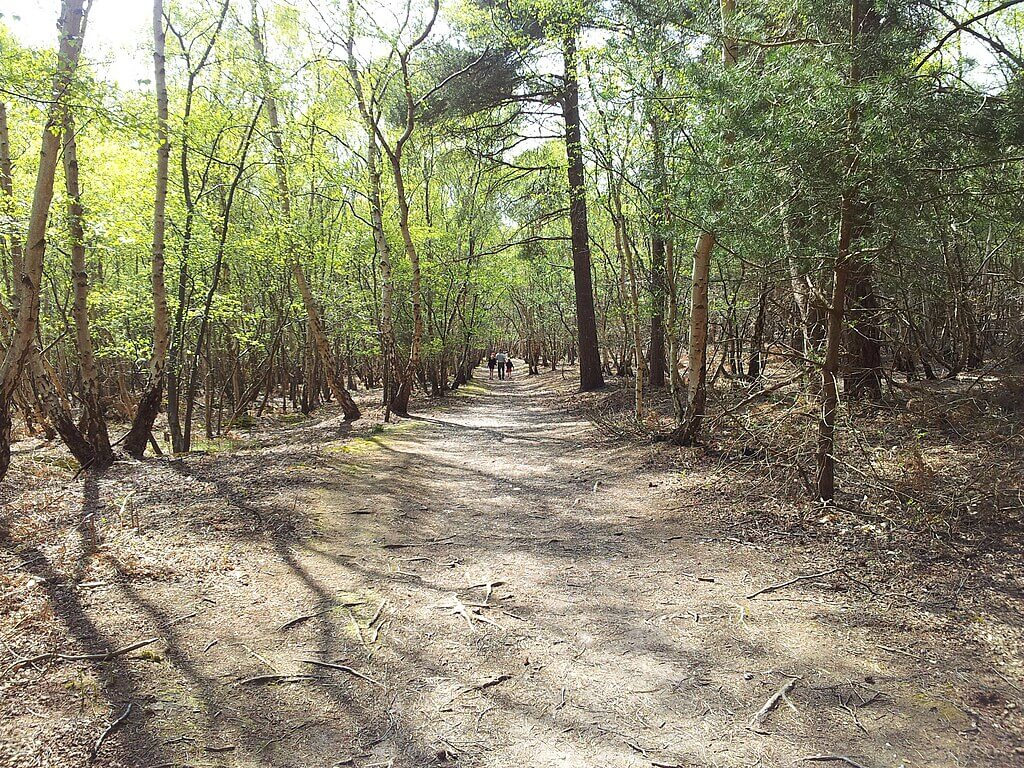

RSPB Minsmere is one of England’s most important nature reserves and dogs are not allowed in the hides or core reserve areas, but the perimeter trail that runs along the edge of the reserve through coastal heathland and reed bed margins delivers exactly what makes this landscape exceptional. The trail follows the boundary between the reserve and Dunwich Forest, with views across the reed beds to the coast and the sound of marsh harriers, bitterns and bearded tits always present.
The heathland sections are superb for dogs that enjoy open, exposed ground with strong scents, and the proximity to the reed beds means the air is loaded with bird calls and wetland smells that most dogs find immediately interesting. The trail requires leads throughout to protect the nesting birds, but the heathland is broad enough to feel open despite the restriction. Combined with Dunwich Forest or Dunwich Heath, this becomes a full day of proper coastal walking that delivers the best of what Suffolk’s AONB has to offer.
- Distance: 4.8 km (3 miles) perimeter trail
- Difficulty: Easy, flat heathland and reed bed edge
- Parking: RSPB Minsmere visitor centre car park, pay and display
- Facilities: RSPB visitor centre with cafe, water stations on route
- Terrain: Coastal heathland and reed bed perimeter paths
- Best for: Dogs energised by bird activity, wetland smells and coastal heathland
Map of Dog Friendly Walks in Suffolk
Use the map below to explore all ten walks. Suffolk’s geography runs north to south along the coast with the forests and Brecks inland, making it straightforward to plan multi-day trips that cover different terrain types without excessive driving.
RSPB Minsmere is one of England’s most important nature reserves and while dogs are not allowed in hides or core reserve areas, the perimeter trail running along the edge through coastal heathland and reed bed margins delivers exactly what makes this landscape exceptional. The trail follows the boundary between the reserve and Dunwich Forest with views across reed beds to the coast and constant sound of marsh harriers, bitterns and bearded tits.
The heathland sections are superb for dogs enjoying open, exposed ground with strong scents, and proximity to reed beds means air is loaded with bird calls and wetland smells that most dogs find immediately interesting. The trail requires leads throughout to protect nesting birds but heathland is broad enough to feel open despite the restriction. Combined with Dunwich Forest or Dunwich Heath, this becomes a full day of proper coastal walking delivering the best of Suffolk’s AONB.
- Distance: 4.8 km (3 miles) perimeter trail
- Difficulty: Easy, flat heathland and reed bed edge
- Parking: RSPB Minsmere visitor centre car park, pay and display
- Facilities: RSPB visitor centre with cafe, water stations on route
- Terrain: Coastal heathland and reed bed perimeter paths
- Best for: Dogs energised by bird activity, wetland smells and coastal heathland
Alton Water sits just south of Ipswich and is Suffolk’s largest reservoir with a perimeter path running 13 kilometres around the water’s edge through woodland, open grassland and sections of wetland. The path is flat and well surfaced throughout making this one of the most accessible long walks in the county. Water is always present and always visible giving the walk a consistent rhythm that suits dogs and owners who prefer structure.
For dogs, the appeal is water access and bird activity. The reservoir attracts wildfowl year-round and edges provide shallow sections where dogs can wade without needing deep water confidence. Woodland sections offer shade and scent variety while open grassland stretches allow proper running for dogs with recall. Leads are required throughout to protect bird population but the path is broad and water access frequent enough that the restriction does not diminish walk quality.
- Distance: 13 km (8 miles) full circuit or shorter sections
- Difficulty: Easy, flat reservoir perimeter path
- Parking: Multiple car parks around the reservoir, pay and display
- Facilities: Visitor centre with cafe at Tattingstone, water fountains around route
- Terrain: Reservoir edge path, woodland and open grassland
- Best for: Dogs that love water access, bird activity and long, steady distance
Tunstall Forest sits on the Suffolk coast between Orford and Snape and is one of the quieter forest options in the county. Waymarked trails through mature pine and mixed woodland stay genuinely uncrowded even in summer, with paths threading between conifer plantation and broadleaf sections and breaking into clearings where light changes completely. The going is flat and trails are well surfaced, making this excellent for dogs needing distance without difficulty.
The scent environment shifts constantly as trails move between pine plantation and mixed woodland, keeping dogs engaged throughout. The forest floor holds undergrowth and fallen timber providing continuous interest for scent-driven dogs, and clearings offer space to open up pace without losing the sense of being enclosed by trees. Tunstall lacks the drama of coastal heaths but delivers exactly what proper forest walking should, quiet, well-surfaced and genuinely restorative for both dogs and owners.
- Distance: 6.4 km (4 miles) circular
- Difficulty: Easy, flat forest terrain
- Parking: Tunstall Forest car park, Tunstall Common, free
- Facilities: None on site, nearest facilities in Snape
- Terrain: Pine and mixed woodland tracks with forest clearings
- Best for: Dogs that love sustained forest walking without crowds or complexity
The River Stour runs through Dedham Vale between Flatford and Dedham in Constable Country, following the river through water meadows past Flatford Mill and Willy Lott’s Cottage under willows and across footbridges. The walking is gentle and the pastoral landscape has not changed significantly since Constable painted it repeatedly two centuries ago. This is lowland river walking at its most classic and accessible.
For dogs, the Stour is a river walk at its absolute best. Water is accessible throughout, shallow and slow-moving with gravel banks where dogs can wade without any hazards of faster water. Meadows hold cattle and sheep seasonally requiring lead work in places, but stretches of open riverbank allow freedom where livestock are absent. The combination of water access, riverside shade and steady rhythm of a lowland river makes this one of the most satisfying walks in Suffolk for water-loving dogs.
- Distance: 4.8 km (3 miles) one way, 9.7 km (6 miles) return
- Difficulty: Easy, flat riverside terrain
- Parking: National Trust Flatford car park, pay and display
- Facilities: National Trust tearoom at Flatford, cafes in Dedham village
- Terrain: Riverside paths, water meadows and footbridges
- Best for: Water-loving dogs and those that thrive on gentle, accessible river walking
Dunwich Forest and Westleton Heath sit side by side on the Suffolk coast and the loop connecting them moves between two completely different environments in a single circuit. The forest is dense Scots pine with wide forestry tracks that stay cool in summer, while Westleton Heath is open and windswept with low heather, gorse and sandy paths running for miles. The transition between the two is abrupt and deeply satisfying.
Dogs that need variety thrive here. The forest section brings pine scent, deep shade and enclosed walking that suits dogs preferring structure. The heath section is the opposite with wind, exposure and coastal grass smells with rabbit warrens beneath every patch of heather. Wild ponies and red deer graze parts of the heath and forest, adding movement and scent that most dogs register immediately. This delivers two distinct experiences without needing to drive between them.
- Distance: 11.3 km (7 miles) circular
- Difficulty: Moderate, flat terrain with distance
- Parking: Free forestry car park on Westleton Road before Dunwich village
- Facilities: Limited on route, cafes in Dunwich and Westleton villages
- Terrain: Pine forest tracks and open heathland paths
- Best for: Dogs that thrive on contrasting environments and longer distance walks
Sutton Hoo sits above the River Deben near Woodbridge, combining Anglo-Saxon archaeology with riverside and woodland walking that extends well beyond the burial mounds. The estate trails follow the tidal Deben through mature mixed woodland and open meadows with the river winding below and views across the valley to Wilford Bridge. Dogs are not allowed in the burial mound area but the wider estate and riverside paths provide miles of proper walking.
The Deben is tidal and river smells shift with the water level, which dogs find endlessly interesting. At low tide mudflats are exposed and wading birds work the edge, while at high tide water comes right to the tree line and the atmosphere changes completely. Woodland sections are dense with good undergrowth for scent work and meadows open onto long views that give the walk genuine scale. The estate cafe is dog friendly with outdoor seating overlooking the valley.
- Distance: 6.4 km (4 miles) circular
- Difficulty: Easy, riverside and woodland terrain with gentle slopes
- Parking: Sutton Hoo National Trust car park, pay and display
- Facilities: National Trust cafe with dog-friendly outdoor seating
- Terrain: Riverside paths, mixed woodland and open meadows
- Best for: Dogs that love tidal rivers, woodland scent and archaeological curiosity
Knettishall Heath is one of the few dog-friendly nature reserves in Suffolk, sitting deep in the Breckland on the Little Ouse River where Norfolk and Suffolk meet. The reserve holds 176 hectares of heathland, grassland and scattered pine with sandy paths threading through genuinely wild terrain. The Little Ouse River runs along the southern edge providing water access between stretches of dry heathland above.
The Brecks environment is distinctive and dogs register it immediately. Sandy soil, the smell of dry grass and pine, and constant rabbit presence create a scent landscape nothing like the heavier clay soils further east. Bagot goats and Exmoor ponies graze parts of the reserve, adding movement that most dogs find fascinating. The pine trail allows off-lead running year round while other sections require leads during nesting season. This is proper Breckland walking without Thetford Forest crowds.
- Distance: 4.8 km (3 miles) circular
- Difficulty: Easy, flat heathland and woodland paths
- Parking: Knettishall Heath car park, free
- Facilities: Basic facilities, nearest cafes in Thetford
- Terrain: Sandy heathland, scattered pine and riverside paths
- Best for: Dogs that love dry sandy terrain, grazing animals and genuine quietness
England, United Kingdom
Orwell Country Park sits where the River Orwell estuary opens wide near Ipswich, combining ancient woodland, open heath and the mudflats and saltmarsh of the estuary edge. The woodland is dense and varied with oak, ash and hazel, while the heath opens onto views across the Orwell with water visible through riverside vegetation. The shore at Nacton brings tidal mudflats and the smell of salt marsh that shifts with the water level.
Dogs that respond to tidal environments will find this endlessly stimulating. The woodland holds layered undergrowth that keeps noses busy while the shore sections bring salt air, wading birds and mudflats at low tide. The river at Nacton Shore is accessible for wading, and the combination of forest, heath and water in a single circuit makes this one of the most texturally varied walks on the Suffolk coast. Pin Mill nearby offers swimming access for water-loving dogs.
- Distance: 6.4 km (4 miles) circular
- Difficulty: Easy, flat woodland and estuary paths
- Parking: Orwell Country Park main car park, free
- Facilities: None on site, cafes and pubs in nearby Ipswich
- Terrain: Ancient woodland, open heath and estuary mudflats
- Best for: Dogs energised by tidal smells, mudflats and woodland variety
Brandon Country Park sits on the edge of Thetford Forest where the Suffolk-Norfolk border runs through the Brecks. The circuit moves from landscaped parkland into vast forest beyond with barely a transition, pushing into endless pine tracks, open sandy clearings and the kind of scale that makes the forest feel genuinely remote. The Brecks landscape is distinctive with dry sandy soil, twisted pines and rabbit warrens beneath almost every clearing.
For dogs, the scent environment is unlike anywhere else in England, pine resin and dry sand with rabbits everywhere underfoot. The forest trails are excellent for distance with miles of well-surfaced paths that dogs with stamina can cover at pace. The arboretum in the park provides shade and structure while the forest beyond delivers proper wilderness character. The park cafe is dog friendly with outdoor tables for post-walk refreshment.
- Distance: 8.9 km (5.5 miles) circular or longer into Thetford Forest
- Difficulty: Easy to moderate, flat forest trails with distance options
- Parking: Brandon Country Park car park, Bury Road, pay and display
- Facilities: Park cafe with outdoor seating, toilets and picnic areas
- Terrain: Parkland paths, pine forest tracks and sandy clearings
- Best for: Dogs that thrive on long forest miles, pine scent and sandy terrain underfoot
Dunwich Heath sits on the Suffolk coast backed by Dunwich Forest, combining coastal heathland with deep pine forest in a single circuit. The heath is National Trust managed with low purple heather and sandy paths leading to cliff edges, while the forest behind is dense Scots pine with wide tracks where light stays dim even on bright days. The contrast between open coastal exposure and enclosed forest shade makes this one of the best textural combinations in East Anglia.
For dogs, this delivers two completely different experiences. The heathland is all sea air, rabbit warrens and skylark calls with exposure that keeps noses high and alert. The forest section brings pine resin smells, cool shade and the enclosed scent-rich walking that makes summer heat bearable. The Woof Walk trail allows off-lead running when the rest of the heath requires leads, and Dunwich Beach provides a shingle run if energy remains after the circuit.
- Distance: 6.4 km (4 miles) circular
- Difficulty: Easy, flat heathland and forest paths
- Parking: Dunwich Heath National Trust car park, Minsmere Road, pay and display
- Facilities: National Trust tearoom with dog-friendly outdoor seating and water bowls
- Terrain: Sandy heathland paths, pine forest tracks and optional beach section
- Best for: Dogs that love coastal heathland smells, pine forest shade and rabbit-rich terrain
Find dog friendly walks across the UK using our Wildpack Map.
Tips for Walking in Suffolk
Suffolk’s walking landscape is generally accessible and well managed, but a few considerations make the difference between a good walk and an excellent one.
- The Brecks and coastal heaths are dry and sandy underfoot, excellent for paws but exposed in strong wind
- Tidal rivers like the Stour, Deben and Orwell change character completely between high and low tide, worth timing walks accordingly
- Many heathland sites require leads during bird nesting season from March to August, signs are clear and should be followed
- Summer temperatures in Suffolk can be higher than elsewhere in England due to low rainfall, early or late walks are sensible in July and August
- Ticks are present in heathland and forest, check dogs thoroughly after walks in these environments
- Water access on rivers and reservoirs is generally good, but coastal heathland walks may not have reliable streams so carry water
- Forestry Commission car parks in Thetford and Dunwich Forests are free, National Trust sites require payment or membership
What’s Nearby?
If you are spending time in Suffolk with your dog, the coast and countryside offer further opportunities beyond the walks in this guide.
- Dog friendly beaches in Suffolk – Dunwich, Walberswick, Southwold and Sizewell for year-round access without summer restrictions
- Dog friendly walks in Norfolk – the Broads, North Norfolk coast and Thetford Forest extensions across the county border
- Dog friendly walks in Essex – Dedham Vale continues south into Essex with more Constable Country riverside paths
- The Suffolk Coast Path – 60 miles of continuous coastal walking linking beaches, heaths and estuaries from Felixstowe to Lowestoft
- Dog friendly walks in Cambridgeshire – Wide open fenland, chalk hills south of Cambridge and river meadows to explore