
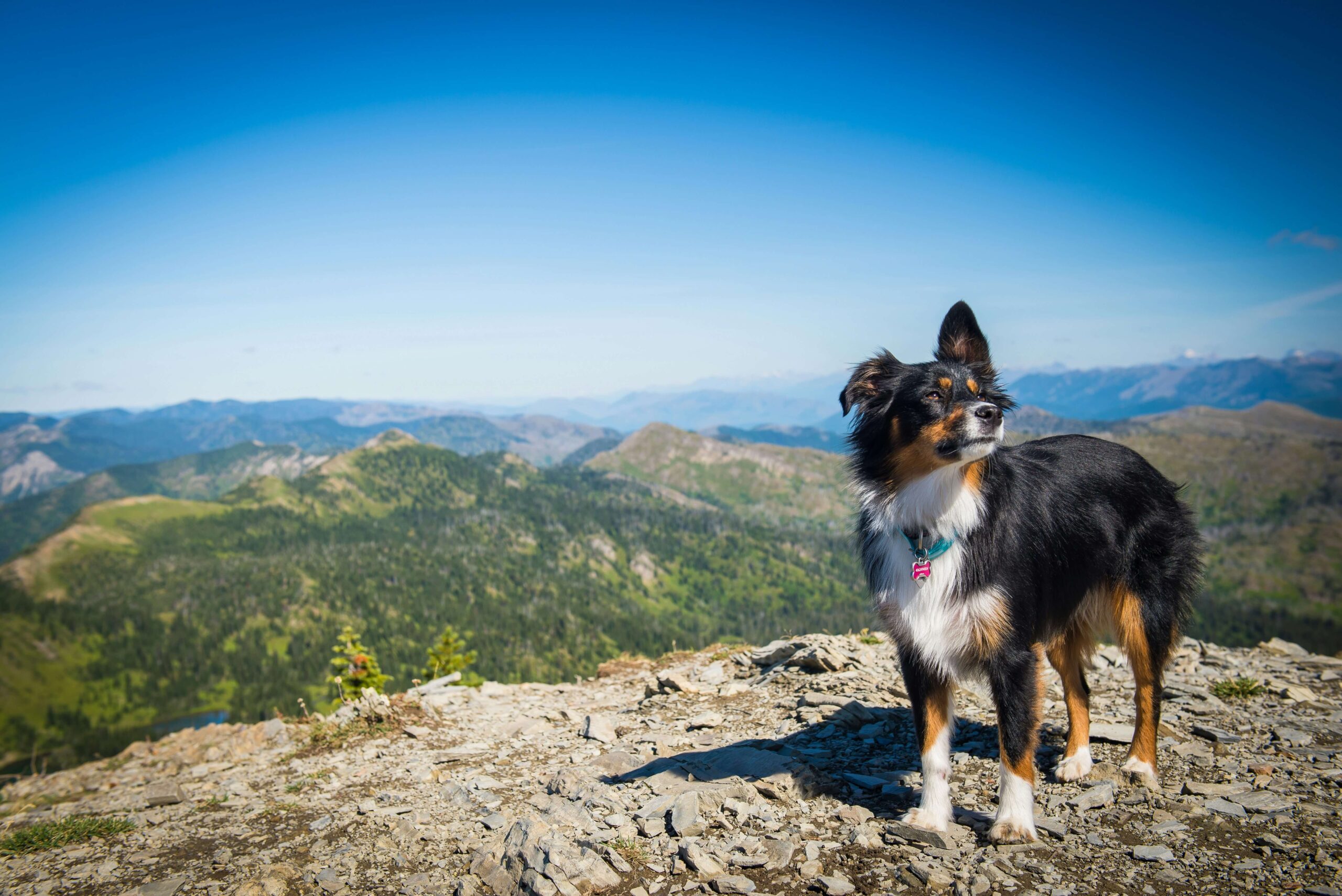

There’s nothing like a long day on the trail or a peaceful evening at camp with your dog by your side. But among the heather, bracken, and tall grass lies one small but persistent threat to both dogs and humans: ticks. In this article, we’re going to summarise all of the key information on how to treat tick bites, and more importantly prevent them from happening in the first place.
These tiny parasites can latch on during a walk, feed on blood, and potentially carry diseases such as Lyme disease. The good news is that with the right preparation and quick action, you can keep your dog (and yourself) safe from harm. Here’s everything you need to know about dealing with ticks while hiking or camping.
Why Ticks Are a Concern for Outdoor Adventures
Ticks are small, spider-like parasites that thrive in damp, grassy or wooded areas, exactly the kind of places the more adventurous amongst us love to explore with our dogs. They’re most active from spring through autumn, but in mild winters they can be found year-round.
In the UK, the most common species is the sheep tick, which makes fields with livestock a likely source of ticks, but others such as the hedgehog and deer tick are also widespread. While not every tick carries disease, some can transmit serious infections, including Lyme disease, which affects both dogs and humans.
Dogs can’t tell you if they’ve been bitten, so prevention and regular checks are essential every time you spend time outdoors.
How to Prevent Tick Bites
Before You Go
A little preparation goes a long way in keeping ticks at bay.
- Use tick prevention treatments such as spot-ons, collars, or oral tablets recommended by your vet.
- Brush your dog’s coat before and after walks to make spotting ticks easier.
- Pack essentials for your trip: a tick remover tool, antiseptic wipes, a fine-toothed comb, and dog-safe wipes.
If you’re camping for several days, add a small grooming routine to your evening setup. It helps spot ticks early and keeps your dog comfortable.
On the Trail or at the Campsite
While exploring, stick to clear paths when you can and avoid dense vegetation or long grass.
- Check your dog regularly, especially after moving through thick undergrowth.
- Keep your dog’s sleeping area clean and dry at the campsite.
- Avoid letting dogs rest in tall grass, where ticks are most active.
Small habits like these can make a big difference over a weekend in the wild.
How to Check Your Dog for Ticks
Ticks can be tricky to spot, especially on darker coats or long-haired breeds. Make it a habit to check your dog every evening after outdoor activity.
Focus on these common hiding spots:
- Around the ears and under the collar
- Inside armpits and between toes
- Around the eyes, lips, and muzzle
- In the groin area or under the tail
- Along the neck and shoulders
Run your fingers gently over your dog’s body, feeling for small, firm bumps. Part the fur to look closely at the skin. If you notice a tick, remove it as soon as possible.
How to Safely Remove a Tick
Removing a tick properly is a simple but important to learn as part of your basic dog first aid skills, especially if you’re a keen hiker or camper and will likely be more exposed to the risk. Using the wrong method can leave parts of the tick embedded, increasing infection risk.
Step-by-step:
- Use a tick removal tool available from vets, outdoor shops, or pet stores.
- Slide the tool under the tick, close to your dog’s skin.
- Twist gently in one direction until the tick detaches (avoid pulling straight up).
- Place the tick in tissue, crush or dispose of it safely, and clean the bite area with antiseptic.
- Wash your hands thoroughly after removal.
If the skin looks red, swollen, or sore over the next few days, contact your vet. Never try to burn the tick or use substances like alcohol, as this can cause the tick to release more bacteria into the bite.
Aftercare and Signs of Tick-Borne Illness
Even after removal, it’s worth keeping an eye on your dog for any changes in behaviour or health.
Watch for:
- Fatigue or low energy
- Loss of appetite
- Lameness or stiffness
- Fever or swollen joints
These could indicate an infection such as Lyme disease, which can be treated if caught early. Always consult your vet if you have any doubts.
Humans can be bitten too, so check yourself and any other family members after time outdoors, particularly around ankles, legs, and waistbands.
Essential Gear for Tick Prevention
Having the right kit to hand makes dealing with ticks much less stressful. A tick removal kit should be part of the first aid kit your essential hiking gear that you carry with you at all times.
- Tick removal tool or card
- Dog brush or fine-toothed comb
- Dog-safe antiseptic wipes
- Lightweight long-sleeved clothing for owners
- Natural repellent spray (citronella or eucalyptus-based, if safe for dogs)
These small items fit easily into a daypack or glove box and are worth carrying on every trip.
Staying Safe Year-Round
Ticks don’t disappear completely in winter, especially in mild climates. Year-round vigilance and regular vet-approved prevention treatments offer the best protection.
If you camp frequently, consider scheduling tick checks as part of your daily routine. It takes less than a minute but can prevent a lot of trouble later.
Final Thoughts
Ticks are an unavoidable part of outdoor life, but they don’t have to spoil your adventures. With regular checks, reliable prevention, and quick action, you can explore freely and safely with your dog.
The wild is there to be enjoyed, and with a little preparation, you and your four-legged companion can roam with confidence, wherever the trail takes you.