
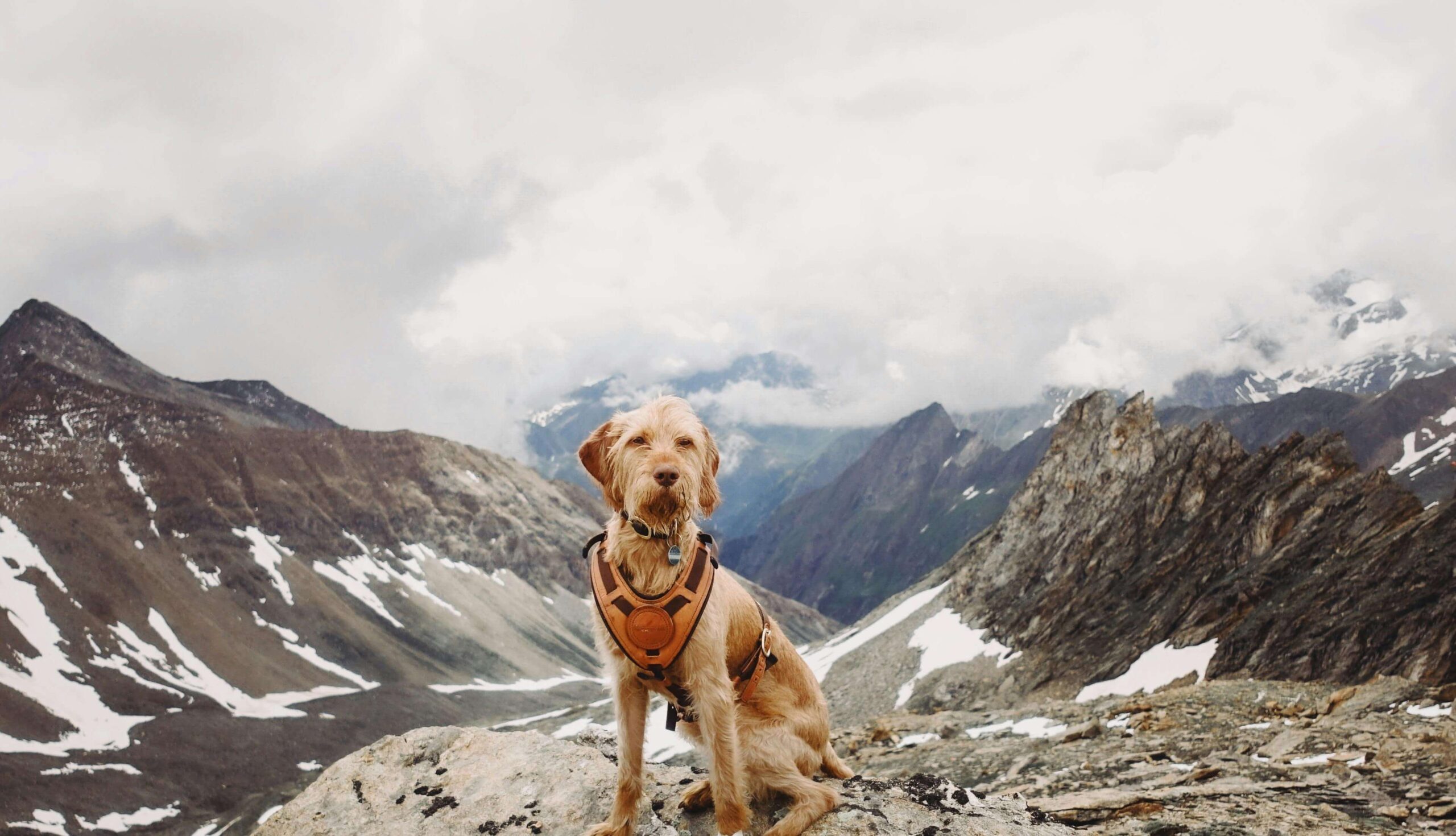

Exploring the great outdoors with your dog is one of life’s simple pleasures, but accidents can happen when you least expect them. Whether you’re camping, hiking or taking a weekend road trip, knowing basic dog first aid could make a crucial difference if your pet becomes injured or unwell.
This guide covers the essential knowledge every outdoor dog owner should have, from recognising warning signs to preparing your first aid kit and handling emergencies calmly and effectively.
Why Dog First Aid Matters Outdoors
When you’re miles from the nearest vet, quick action can prevent a minor issue from becoming serious. Cuts, insect stings, overheating, or even swallowing something harmful are all common outdoor risks. Having the confidence to assess your dog, give immediate care and know when to seek professional help gives you peace of mind and keeps your adventures safe.
Common Outdoor Injuries and What to Watch For
1. Cuts and Scrapes
Sharp rocks, thorns or rough terrain can easily cause small cuts or abrasions.
What to do:
- Rinse the wound gently with clean water or saline.
- Remove any visible dirt or debris.
- Apply antiseptic and cover with a light bandage if necessary.
- Monitor for swelling, discharge or signs of infection.
2. Heatstroke
Dogs can quickly overheat when walking or camping in warm weather, especially breeds with thick coats or short snouts.
Warning signs: Excessive panting, drooling, confusion, vomiting or collapse.
Action:
- Move your dog to shade immediately.
- Offer cool (not cold) water.
- Wet their paws, belly and neck with a damp cloth.
- Seek veterinary help as soon as possible.
3. Hypothermia
Cold weather, rain or swimming in chilly lakes can lower a dog’s body temperature fast.
Signs: Shivering, lethargy, cold ears or paws, slow breathing.
Action:
- Wrap them in a dry towel or blanket.
- Move them to a warm, sheltered spot.
- Avoid direct heat sources.
- Contact a vet if symptoms persist.
4. Insect Stings and Bites
Bees, wasps, ants and ticks are common in woodland and moorland areas.
What to do:
- Remove visible stings by scraping (avoid squeezing).
- Apply a cold compress to reduce swelling.
- For ticks, use a tick remover and pull gently without twisting.
- If swelling around the face or breathing issues occur, treat it as an emergency.
Learn more about how to prevent and deal with ticks when out hiking or camping.
5. Paw and Pad Injuries
Rough ground, hot tarmac or icy trails can damage paw pads.
Action:
- Clean gently and inspect for burns, cuts or embedded objects.
- Apply paw balm or protective booties on future walks.
- Keep the area clean and dry until healed.
Building Your Dog First Aid Kit
There’s plenty of dog related equipment you need whilst camping or hiking, but a well-stocked first aid kit should be top of the list. It can be the difference between panic and preparedness. You can buy ready-made kits or build your own. Keep it in your rucksack or van, and check it regularly to replace used or expired items.
Essentials to Include:
- Saline solution or clean water (for cleaning wounds)
- Antiseptic wipes or spray (pet-safe)
- Sterile gauze pads and bandages
- Self-adhesive vet wrap (non-stick to fur)
- Blunt-ended scissors and tweezers
- Tick remover
- Digital thermometer
- Cooling gel or spray
- Disposable gloves
- Muzzle or bandana (for handling pain safely)
- Foil blanket (for warmth)
- Spare lead and collar
- Emergency contact card with your vet’s details
If you travel frequently, consider keeping a smaller version in your day pack and a full-size kit in your tent or camper van.
Handling Emergencies in the Wild
If your dog is seriously hurt or showing signs of distress, stay calm and act methodically:
- Assess the situation. Check for bleeding, breathing, or broken bones.
- Control bleeding. Apply firm pressure with a clean cloth or gauze.
- Immobilise injuries. Keep your dog still to prevent further damage.
- Monitor breathing and temperature. Use your thermometer if possible.
- Contact a vet. Most rural vets offer emergency contact numbers.
- Keep your dog comfortable. Use a blanket, water and calm reassurance until help arrives.
Preventing Problems Before They Happen
Prevention is always better than cure. A few sensible steps can help you avoid most emergencies:
- Keep vaccinations and parasite treatments up to date.
- Train your dog for a solid recall to keep your dog close and out of danger.
- Carry plenty of water and avoid walking in extreme heat.
- Check paws and fur for burrs, seeds and ticks after every walk.
- Avoid letting your dog drink from stagnant or unknown water sources.
- Research your route and know where the nearest vet is located.
When to See a Vet Immediately
Always seek professional help if your dog:
- Struggles to breathe or collapses
- Has uncontrolled bleeding
- Is bitten by a snake or unknown animal
- Shows signs of poisoning (vomiting, drooling, trembling)
- Has a severe allergic reaction or facial swelling
- Refuses food or water for more than 24 hours
Final Thoughts
Adventuring outdoors with your dog is an incredible experience, but preparation is key to keeping them safe. A simple first aid kit, a calm approach and some essential knowledge can turn a potential crisis into a manageable situation. With the right preparation, you and your dog can explore confidently, knowing you’re ready for whatever the trail brings.