
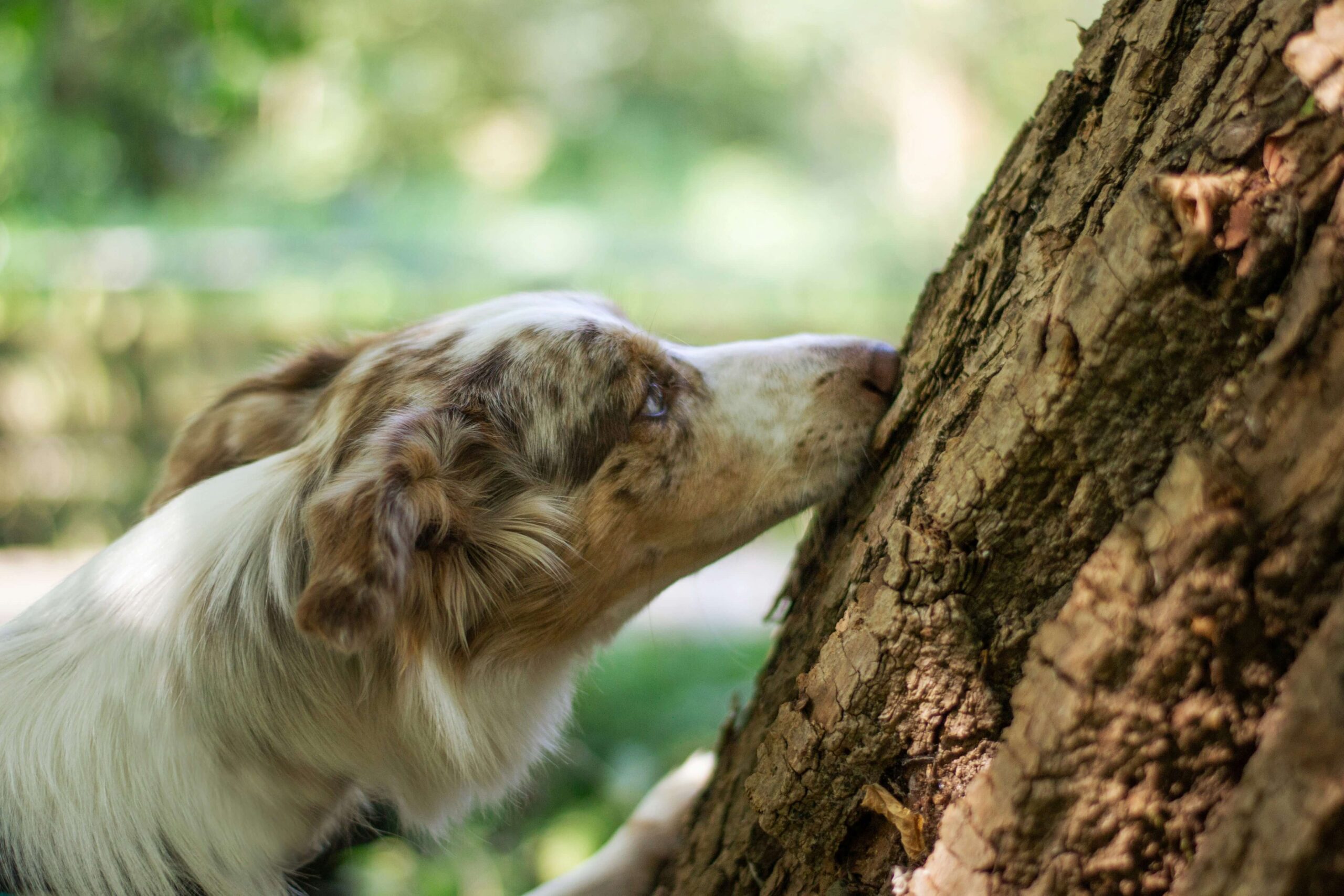

Scent work is one of the most natural and enjoyable sports for dogs, giving them the chance to use their incredible noses in a structured and rewarding way. Whether you have a high energy dog who needs more mental stimulation or a calm companion who enjoys gentle tasks, scent work is accessible to almost every breed and age.
Below you’ll find an easy to understand introduction to scent work, the benefits, how to get started, what you need, and what to expect if you decide to take it further.
What Is Scent Work?
Scent work is a dog sport based on detection style searching. Your dog learns to identify a specific scent and then indicate where it is hidden. Think of it like a fun version of the work carried out by search dogs, contraband detection dogs or medical detection dogs, but adapted for everyday pet owners.
At its core, scent work taps into one of your dog’s strongest natural instincts. Their noses are capable of detecting incredibly small amounts of scent, far beyond what humans can comprehend. By giving them a structured way to use this ability, you provide a mentally rich and confidence building activity that suits most dogs.
Why Scent Work Is Great for Dogs
Scent work is popular because it is suitable for almost every type of dog. It gives them a way to channel energy, improve focus and enjoy positive interaction with you.
Mental Stimulation
Dogs get tired much faster from brain work than from physical exercise alone. A short search session can leave your dog more satisfied than a long walk, especially for working breeds or dogs who find traditional training boring.
Confidence Building
For nervous or insecure dogs, scent work can be transformative. Because it focuses on your dog’s natural strengths and rewards independent decision making, it can boost confidence and reduce anxiety over time.
Accessible for All Ages
Senior dogs, puppies and dogs recovering from injury can all enjoy scent work. It does not rely on speed or physical pressure, making it one of the most inclusive dog sports.
A Stronger Bond
Scent work encourages teamwork. You learn to read your dog’s cues while they learn to trust you to set achievable challenges. It is a great way to strengthen your partnership.
What Do Dogs Search For?
Most beginners start with essential oils such as clove, birch or anise. These scents are commonly used in official scent work trials. The choice of scent does not matter much at the start, as the aim is simply to teach your dog to recognise one target smell.
You can also begin with food based searches if your dog is not yet ready for more formal scent work. These early games still teach the foundations of searching, problem solving and scent discrimination.
How Scent Work Training Begins
Beginning scent work does not require any special equipment or experience. The first step is simply to help your dog understand that finding a specific scent leads to rewards.
A typical beginner journey looks like this:
Step 1: Introduce the Scent
Your dog is introduced to the chosen scent while being rewarded for showing interest. This builds a positive association.
Step 2: Open Searches
The scented item is placed in full view. Your dog begins to understand that locating the scent leads to praise or treats.
Step 3: Simple Hides
The scented item is hidden in easy to reach places such as behind a chair, under a cup or inside a cardboard box.
Step 4: Expanding Environments
As your dog becomes more confident, searches can take place in different rooms, outdoor areas, vehicles or public spaces.
Step 5: Indication Training
Your dog learns a clear way to tell you they have found the scent. This might be sitting, staring, pawing or freezing in place.
What Equipment Do You Need?
One of the best things about scent work is that it has a very low barrier to entry.
Basic equipment includes:
- Small scent pots or containers
- Cotton buds or scent sticks
- Essential oils for more advanced training
- Treats or favourite toys
- A harness or collar compatible with calm, controlled work
- A long line for outdoor searches
Many owners start with simple household items before investing in specialist kits.
Where to Train Scent Work
You can practise the basics at home, in your garden or during calm walks, but many owners choose to join local scent work classes or workshops. These classes give you access to professional guidance, new environments and controlled search layouts that build your dog’s skill and confidence.
Look for trainers certified through recognised bodies such as Scentwork UK or UK Sniffer Dogs. A qualified trainer can ensure you progress safely and steadily.
Is Scent Work Suitable for Your Dog?
Almost always, yes. Scent work suits:
- High energy dogs
- Nervous or reactive dogs
- Young puppies
- Older dogs
- Dogs with limited mobility
- Dogs who need more mental enrichment
- Working breeds that thrive on structured tasks
If your dog enjoys sniffing on walks, exploring new environments or problem solving, they are likely to love scent work.
Taking Scent Work Further
If you and your dog enjoy the sport, you can take part in assessments, trials and ongoing training. These events introduce more complex hides, timed searches and teamwork challenges. Many owners enjoy the social side of classes while others pursue competitive goals.
There is no pressure to compete. Many people use scent work purely as a fun and fulfilling hobby.
Final Thoughts
Scent work is one of the most rewarding dog sports you can explore with your dog. It is accessible, confidence building and mentally enriching, and it opens the door to a deeper understanding of your dog’s abilities. Whether you stay at a beginner level or decide to explore advanced training, scent work will almost certainly improve your dog’s wellbeing and your bond together.