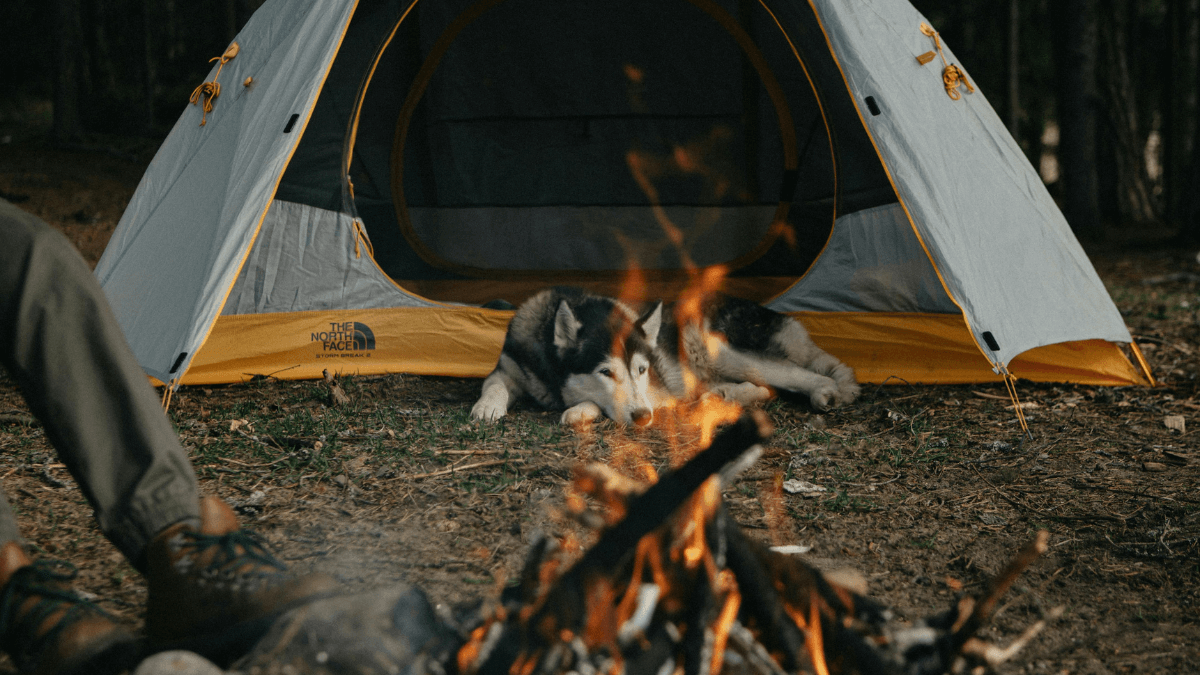

There’s something deeply freeing about spending the night under the stars with your dog by your side. Away from the noise and bustle of campsites, wild camping can be an unforgettable experience for those who crave solitude, nature, and adventure. But when dogs are involved, there are extra considerations to make, from legality and safety to comfort and environmental responsibility.
Author’s Insight: Having wild camped (responsibly) with my dog a number of times, I can tell you that the differences are more than just location. A big factor here is ensuring you have the right gear and supplies to make up for the lack of facilities you might have on hand at a campsite (unlimited clean drinking water, for instance). That being said, I wouldn’t want to put anyone off the idea, as a night camped under the stars, away from civilisation, with your best mate can be an amazing experience.
In this guide, we’ll cover everything you need to know before heading out on a wild camping trip with your dog.
Is Wild Camping Legal in the UK?
In most of the UK, wild camping without permission is technically illegal. The rules differ depending on where you go:
England and Wales
Wild camping is not permitted without the landowner’s consent. Some areas, however, are more tolerant, particularly remote parts of the Lake District and Dartmoor (where limited rights have recently been reinstated in certain zones). Always check local regulations and, where possible, seek permission before pitching up.
Scotland
Scotland offers much greater freedom under the Scottish Outdoor Access Code. You can wild camp responsibly almost anywhere that’s not enclosed or cultivated land. This makes Scotland an ideal destination for a true off-grid adventure with your dog where you can exercise the freedom to wild camp. The North Coast 500, for example is a dream trip for many dog owners.
Northern Ireland
Rules here are stricter. Wild camping generally requires permission from the landowner or managing authority, especially within national parks or nature reserves.
Wherever you go, remember that “responsible access” is key. Leave no trace, respect wildlife, and keep your dog under control at all times.
Preparing Your Dog for Wild Camping
Before venturing out into the wilderness, make sure your dog is comfortable with the essential training required for camping:
- Recall training – Reliable recall is essential when exploring open spaces.
- Settle command – Your dog should be able to relax around the campfire or inside the tent without fuss.
- Exposure to new environments – Build up gradually with day hikes and regular camping trips before attempting a wild one.
- Fitness – Make sure your dog’s physical condition suits the demands of the terrain and distance you plan to cover.
If you’re unsure, start with an organised campsite that offers a wild feel but facilities nearby.
Gear and Essentials to Pack
The right camping gear makes all the difference when camping off-grid, and there are a few pieces of equipment and supplies you might want to consider that you wouldn’t necessarily need on a more traditional campsite. A few essentials include:
- Lightweight sleeping mat or dog sleeping bag
- Collapsible food and water bowls
- A weatherproof camping dog bed
- Sufficient food and clean water (streams aren’t always safe)
- Long line or tether for safety
- Dog first aid kit
- Identification tag and microchip up to date
- Reflective collar or harness for visibility
- Waste bags. Always pack it out
If temperatures may drop, bring an insulated jacket or blanket to keep your dog warm overnight.
Safety and Precautions
Wild camping means being further from help, so it’s vital to plan carefully.
Check for Hazards
Scout your chosen area for broken glass, livestock, or steep drops. Keep dogs away from rivers with strong currents or stagnant water where bacteria can thrive.
Wildlife Awareness
Many wild camping areas are rich in wildlife. A curious dog can disturb ground-nesting birds or livestock, so always use a lead or long line when needed.
Health Precautions
Bring a basic canine first aid kit with antiseptic wipes, tick removers, and any regular medication. In Scotland and the north of England, ticks are common — check your dog daily.
Fire Safety
If you light a fire, keep it small, contained, and far from your tent. Make sure your dog stays clear of the flames, and fully extinguish before sleeping. An ideal situation would be to have a portable fire pit or similar to also prevent the chance of starting wild fires.
Respecting Nature and Others
One of the core principles of wild camping is to leave no trace.
- Pack out all waste (including dog waste).
- Avoid damaging vegetation or disturbing wildlife.
- Camp late and leave early where possible.
- Keep noise to a minimum.
Responsible campers protect the privilege of access for everyone else.
When to Avoid Wild Camping with a Dog
Wild camping isn’t suitable for every dog or every season. Avoid wild camping traips if any of these situations apply:
- During lambing season if you’re going to be near livestock.
- Your dog struggles with recall or has anxiety.
- During extreme weather conditions where it could quickly become dangerous.
- On land that’s not suitable (i.e. exposed hillsides can quickly become dangerous)
If you and your dog are inexperienced with camping, it’s best to build up confidence with gentler experiences first.
Final Thoughts
Wild camping with your dog can be an incredible way to bond and reconnect with nature. It teaches self-sufficiency, awareness, and appreciation for the outdoors, both for you and your dog.
Plan carefully, respect the environment, and put your dog’s safety first. Do it right, and you’ll share some of the most memorable adventures of your lives.