
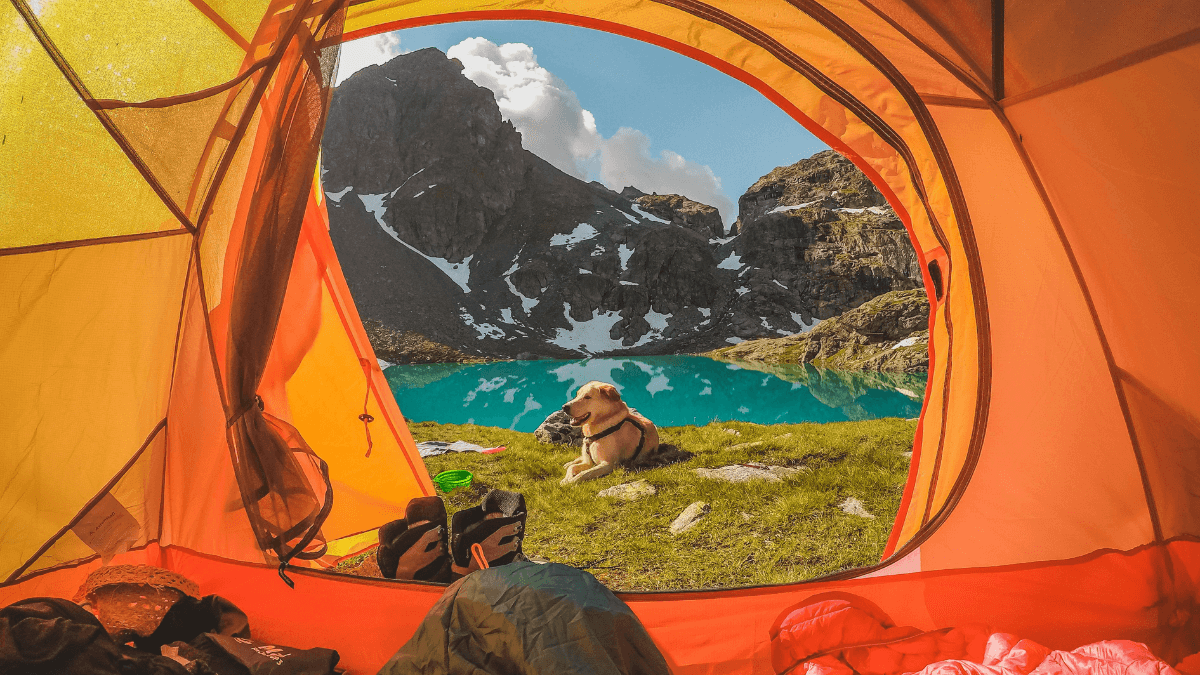

Creating a Comfortable and Safe Sleeping Setup for Your Next Adventure
Camping with your four-legged friend is one of life’s simple joys, but when the stars come out it’s not always obvious where your dog should sleep for the night. The right sleeping setup depends on your dog’s personality, the weather, and your camping style.
Author’s Insight: My own experience has typically involved a camper van, but in a small camper the sleeping situation was complicated even then. At first I allowed Bowie to sleep on the bed with me and my partner, but it quickly became cramped and also was counter intuitive to his training. I learned that it’s much better to have a solid plan for a sleeping area to ensure continuity and comfort.
Below we explore the most common sleeping options, what to consider, and the gear that helps ensure a comfortable night outdoors.
1. Inside Your Tent
Best for: Most dogs, especially those that like to be close to you
Letting your dog sleep inside the tent keeps them warm, safe from wildlife, and reassured by your presence. For many, it’s the easiest and most secure option.
Tips:
- Choose a spacious tent with a separate vestibule or porch area so your dog has their own space.
- Bring a groundsheet protector or old blanket to prevent muddy paws from damaging the floor.
- Pack a dedicated sleeping mat or portable dog bed to insulate against the cold ground.
Recommended gear:
- Waterproof travel bed (such as the Ruffwear Highlands Bed)
- Insulated roll mat or foam mat
- A dog sleeping bag to keep them warm if camping outside of the Summer months
- Microfibre towel to dry your dog before bedtime
2. In the Campervan or Car
Best for: Vanlifers, car campers, or dogs who prefer enclosed spaces
If you’re camping with a van or car, letting your dog sleep inside offers good insulation and shelter. It’s also easier to regulate temperature and reduce the mess that comes with muddy paws. If you’re camping in a tent with your car nearby, this can be an option, but it’s not advisable if it’s going to be poorly ventilated or get too warm or cold for them.
Tips:
- Ensure good ventilation by slightly opening windows or using vent covers.
- Use a crate or travel bed to create a consistent sleeping area.
- Avoid leaving your dog alone in a sealed vehicle overnight, particularly in warm conditions.
Recommended gear:
- Collapsible crate (soft-sided or metal)
- Cooling mat for warm nights
- Dog sleeping bag or fleece blanket for colder nights
3. In an Awning or Porch Area
Best for: Dogs used to sleeping separately, or those that need a bit of distance
If possible, this option can really offer the best of both worlds, keeping the dog warm inside the tent whilst keeping yourself a clean ‘human only’ section for your own bedding and clothes. Some dogs also settle better just outside the tent in a secure porch or awning area. This gives them their own space but keeps them close enough to feel safe.
Tips:
- Make sure the area is fully enclosed and your dog cannot wander.
- Create a cosy corner they are happy to sleep in.
- Avoid this setup in cold or wet weather.
- Use a raised bed or thick mat to keep them off damp ground.
Recommended gear:
- Raised camping bed
- Waterproof groundsheet
- Portable lantern or soft night light
4. Outside the Tent (Not Usually Recommended)
Best for: Only in very mild weather and if your dog is experienced outdoors
We must stress that for the vast majority of dogs this should not be an option. Sure, some working dogs or seasoned adventure dogs can sleep outside under a tarp or near your tent if they’re accustomed to it, but it’s rarely ideal for comfort or safety. Wildlife, cold temperatures, and noise can easily disturb their rest.
If you do this, make sure they are tethered safely, well-insulated, and always within sight.
Recommended gear:
- Heavy-duty tether or stake-out line
- Insulated outdoor bed
- Waterproof coat or sleeping bag
Key Considerations for a Good Night’s Sleep
Before deciding where your dog should sleep, take into account a few key factors:
Temperature and insulation
Cold ground and damp air are the main causes of discomfort. Use insulated mats or raised beds to keep them warm and dry.
Noise and unfamiliar surroundings
Campsites can be busy and noisy, which can unsettle some dogs. Nervous or easily startled dogs may sleep better inside your tent or camper where they feel secure.
Cleanliness and comfort
Bring wipes or a towel to clean muddy paws before bed, and try to replicate their usual sleeping setup with a familiar bed or blanket.
Training and routine
If your dog is new to camping, spend time training them to settle calmly in different environments. Teaching them to stay on a mat, rest in a crate, or sleep in a confined space at home will make your camping experience much easier.
Campsite rules and permissions
Always check the campsite’s pet policy. Some may not allow dogs inside communal areas or certain tent types.
Have the correct equipment
We’ve discussed sleeping gear in this article, but there’s a wider range of dog camping equipment you might need for a safe and comfortable trip.
Final Thoughts
Whether they curl up beside you in the tent or stretch out in the back of the van, the goal is the same: a calm, safe, and comfortable night’s sleep for your dog. If you’re camping with your dog during Winter, we urge you to be as prepared as possible to ensure both theirs and your comfort and safety.
A few thoughtful choices and the right bit of gear can make all the difference. Keep your dog close, pack for the conditions, and you’ll both wake up ready for another day of adventure.