
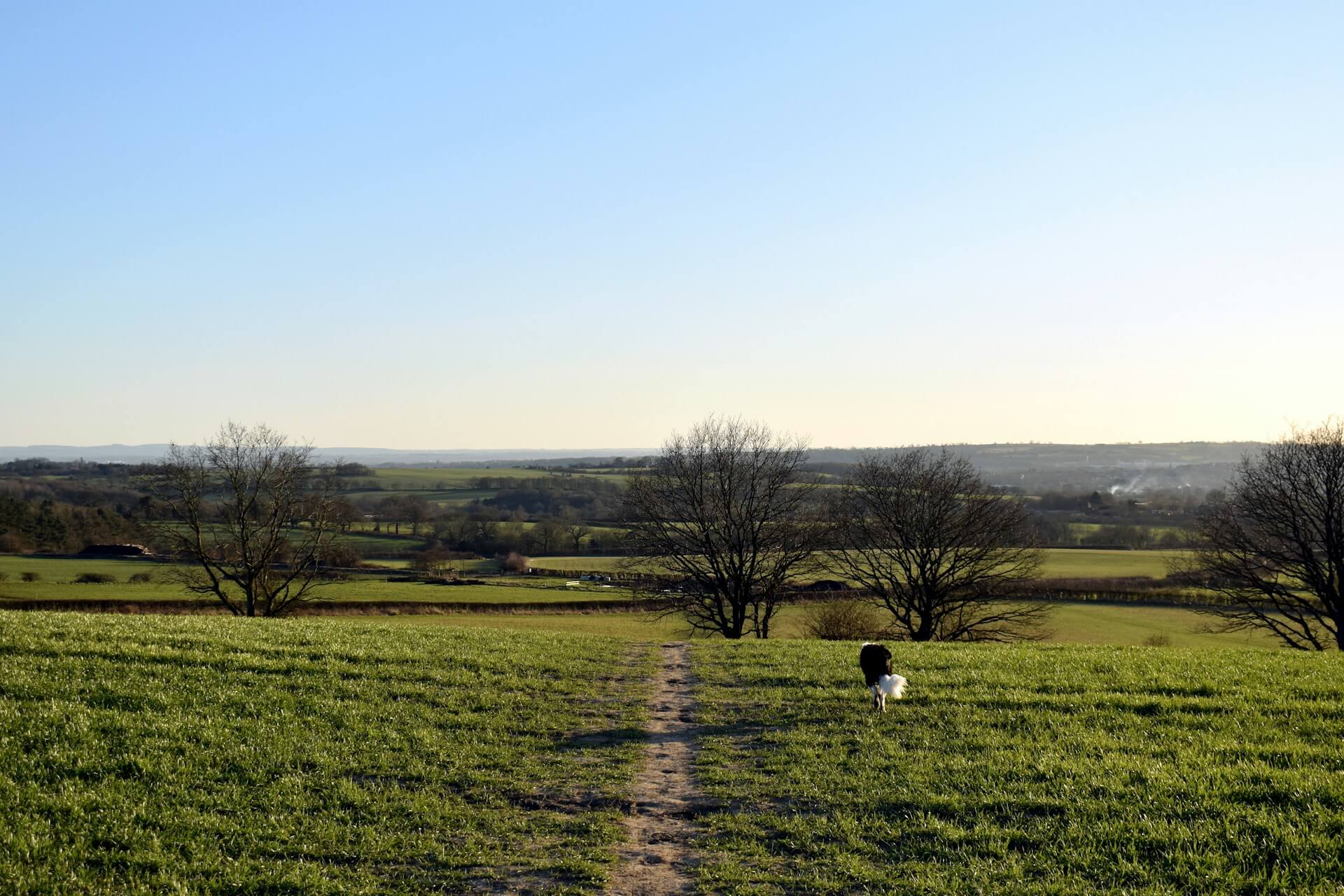

Nottinghamshire occupies an unusual position in England’s walking landscape. Known primarily for Sherwood Forest and the legend of Robin Hood, the county tends to be overlooked by serious walkers who favour the Peak District to the west or the Wolds to the east. This anonymity works in its favour. What Nottinghamshire offers instead is a network of ancient woodland fragments, limestone gorges, reclaimed gravel pits turned nature reserves and rolling countryside that provide excellent dog walking without the crowds or the elevation.
From the Major Oak to quiet Wolds villages, these dog friendly walks in Nottinghamshire balance historical significance with proper countryside walking. The terrain is forgiving, the facilities are generally good and the access is straightforward, making Nottinghamshire ideal for dogs that enjoy steady exploration without scrambling.
Sherwood Forest and the Major Oak Circular
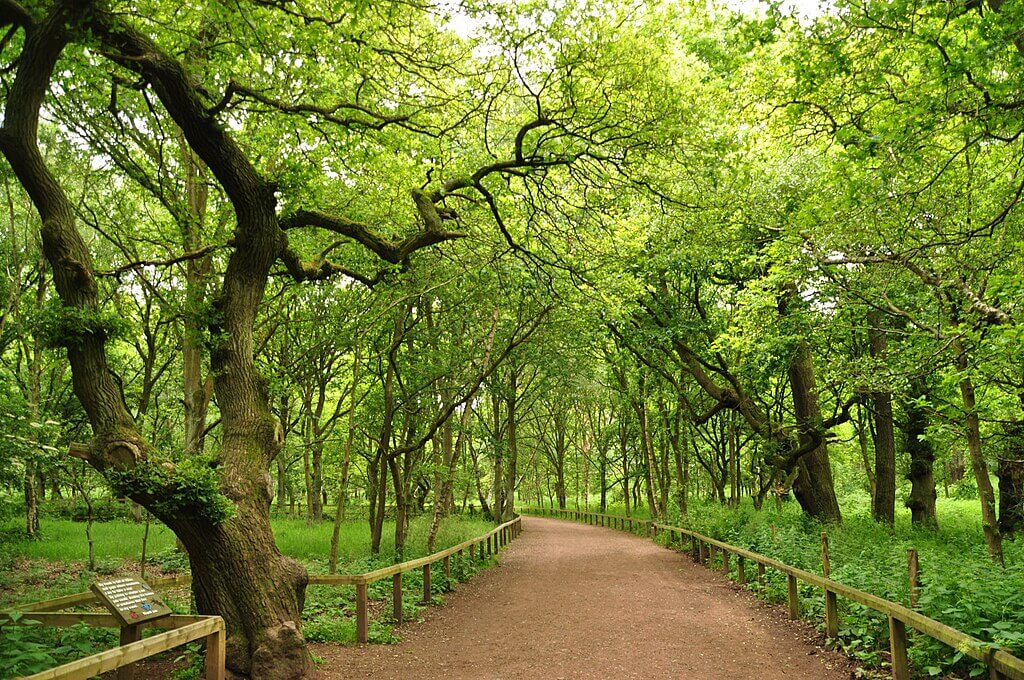
Sherwood Forest is managed by the RSPB and operates as a National Nature Reserve, which brings a professional sheen to what could easily feel like a tourist attraction. The Major Oak Trail is the shortest and most popular route at one and a half miles, leading directly to the legendary tree said to have sheltered Robin Hood. The oak itself is fenced off and supported by scaffolding, but the walk there passes through genuine ancient woodland that predates the legend.
For dogs that prefer longer routes, the Wildwood Trail covers four miles and takes in heathland, birch groves and areas of newer planting alongside the veteran oaks. Dogs must be kept on leads throughout the forest to protect ground flora and invertebrates, which makes this better suited to dogs comfortable with steady, controlled walking rather than off-lead running. The paths are well surfaced and signposted, and the visitor centre provides proper facilities including a café and toilets.
- Distance: 2.4 km to 6.4 km (1.5 to 4 miles) depending on trail choice
- Difficulty: Easy, mostly flat with compacted paths
- Parking: RSPB visitor centre car park, pay and display
- Facilities: Visitor centre with café, toilets and shop
- Terrain: Ancient oak woodland, heathland and surfaced paths
- Best for: Historical interest and well-maintained woodland walking
Creswell Crags Limestone Gorge and Robin Hood Way
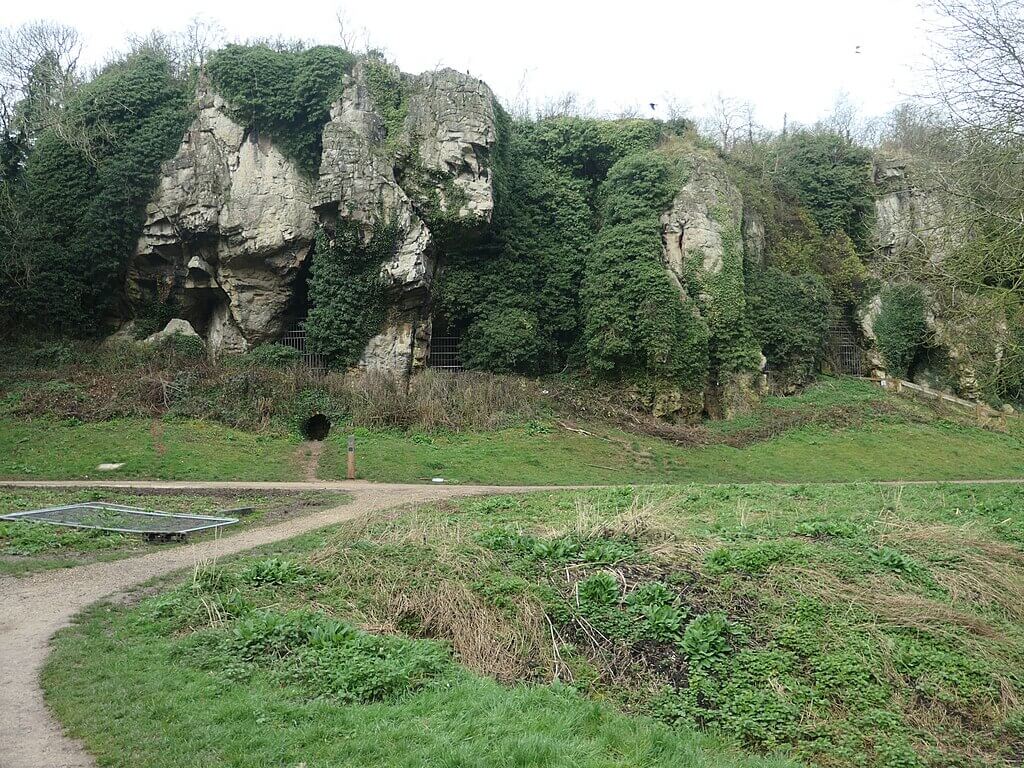

Creswell Crags sits on the Nottinghamshire and Derbyshire border, a limestone gorge honeycombed with caves that sheltered Ice Age hunters 50,000 years ago. The gorge contains Britain’s only authenticated Ice Age cave art and more witch marks than anywhere else in the UK. The site operates as a protected heritage location with a visitor centre and museum, but the walk around Crags Lake and through the gorge is free and dog friendly.
The basic lake circuit is short at around 2.4 km, but the walk can be extended by picking up the Robin Hood Way long-distance path which runs through the site. Dogs must be kept on leads throughout to protect the geological and archaeological features. The gorge itself is dramatic, with towering limestone cliffs rising above the water and caves visible on both sides. A café with outdoor seating welcomes dogs, and the surrounding countryside offers opportunities to extend the walk into rural Derbyshire.
- Distance: 2.4 km to 6.4 km (1.5 to 4 miles) depending on route choice
- Difficulty: Easy, mostly flat with surfaced paths
- Parking: Visitor centre car park, £6 all day
- Facilities: Visitor centre with café, toilets and museum
- Terrain: Limestone gorge, lakeside paths and surfaced trails
- Best for: Geological drama and Ice Age history
Clumber Park Lime Tree Avenue and Thoresby Border Circuit
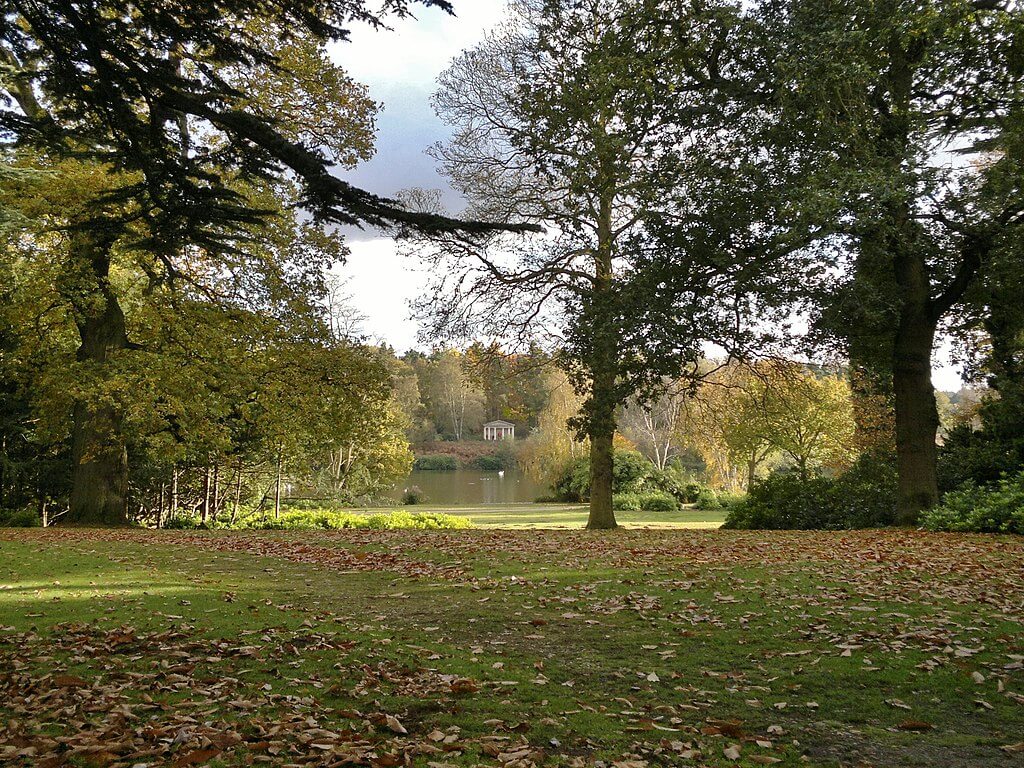

Clumber Park was the country estate of the Dukes of Newcastle until the house was demolished in 1938, leaving behind 3,800 acres of parkland, woodland and the longest double lime tree avenue in Europe. The estate is now managed by the National Trust and holds three pawprint rating, which means dogs are genuinely welcome rather than merely tolerated.
The Thoresby Border livestock-free walk covers 9.5 km and takes in Lime Tree Avenue, heathland restoration areas and woodland trails along the border of Clumber and Thoresby estates. Dogs can be off lead in designated areas, making this one of the few National Trust properties where genuine off-lead walking is encouraged. The park also offers a dedicated dog-friendly café called Central Bark, which provides indoor seating, water bowls and even a warm water dog shower for muddy paws.
- Distance: 9.5 km (6 miles) circular
- Difficulty: Easy, mostly flat with gentle slopes
- Parking: Main visitor car park, free for National Trust members
- Facilities: Central Bark dog café, toilets, shop and main café
- Terrain: Parkland, woodland, heathland and gravel paths
- Best for: National Trust estates and dedicated dog facilities
Nottinghamshire Wolds Villages Circular
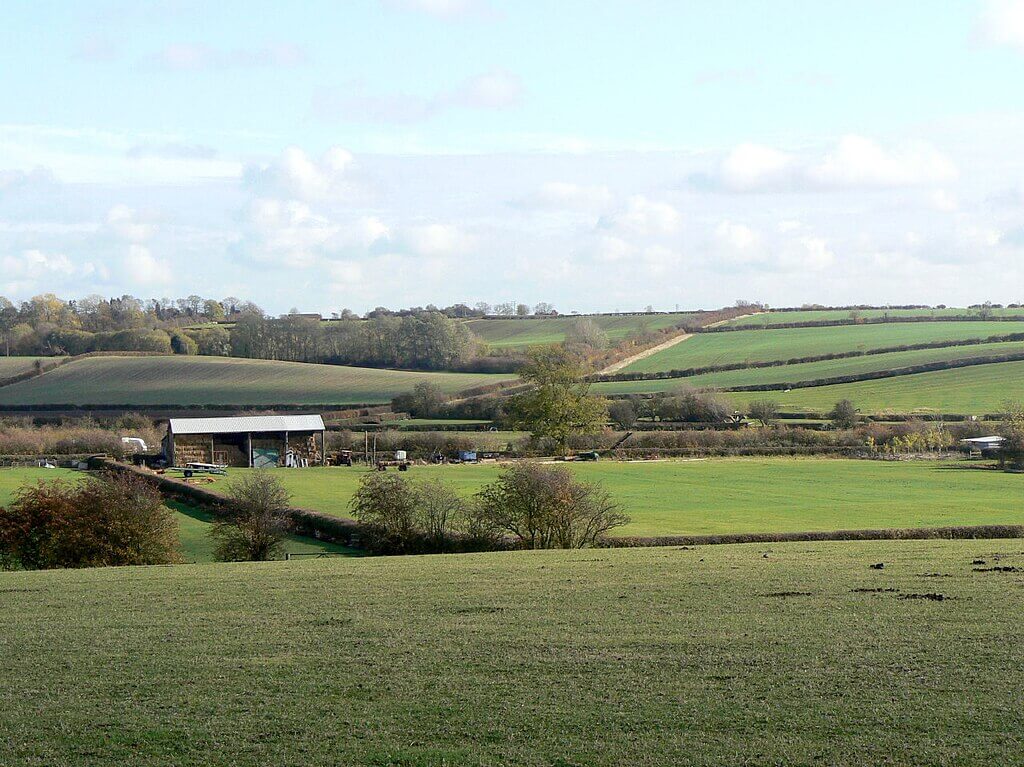

The Nottinghamshire Wolds are a series of low, rolling hills in the south of the county, offering quiet countryside walking through farmland and small villages. This circular route links Keyworth, Widmerpool and Wysall through a combination of green lanes, tracks and footpaths, with good views north across the Trent Valley.
The walking is easy-going with gentle climbs that barely register, making it suitable for all abilities. Livestock will be encountered, particularly cattle and horses in the final section, so dogs need to be under control. The Plough Inn at Wysall provides a good midpoint stop. The route uses mostly field edges and established tracks, though some sections can be muddy after wet weather. This is proper countryside walking away from tourist infrastructure.
- Distance: 13 km (8 miles) circular
- Difficulty: Moderate, rolling farmland with gentle climbs
- Parking: Keyworth village car park, free parking
- Facilities: Pubs in Keyworth and Wysall, limited facilities on route
- Terrain: Farmland, green lanes, tracks and field paths
- Best for: Quiet countryside and village-to-village walking
Attenborough Nature Reserve Skylark Trail
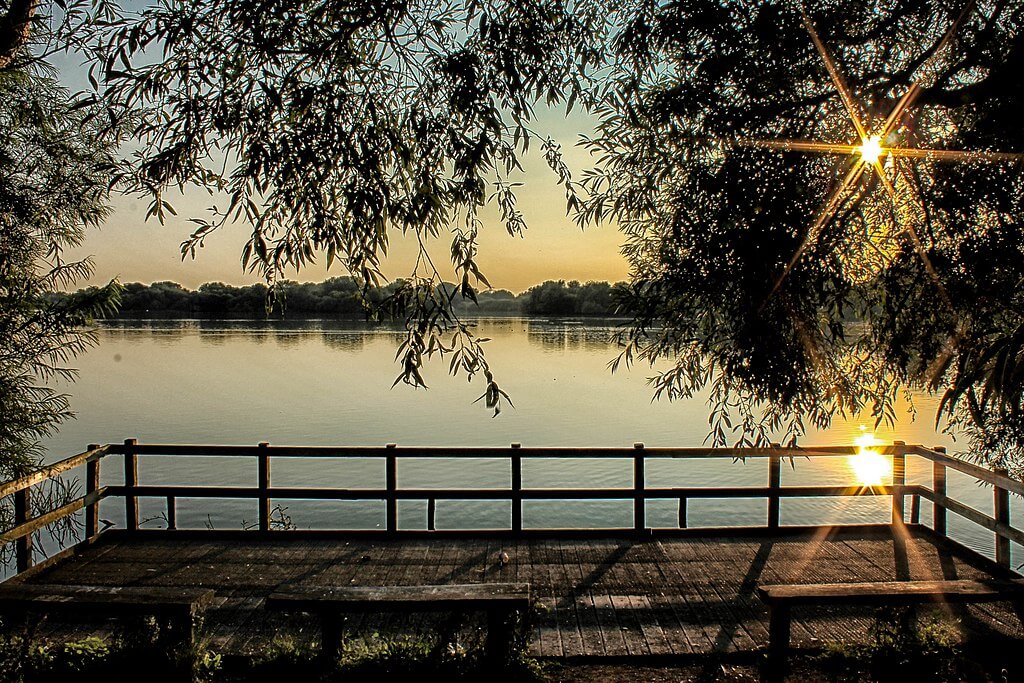
Attenborough Nature Reserve was established in 1966 on reclaimed gravel pits and opened by Sir David Attenborough. The site covers 220 hectares of flooded pits, islands, reed beds and wetlands, making it one of the best birdwatching locations in the East Midlands. Dogs must be kept on leads throughout the reserve to protect ground-nesting birds and wildlife.
The Skylark Trail is the longest of the marked routes at 4.2 km and follows the railway line towards Long Eaton before returning along the River Trent. It is quieter than the shorter Tufted Duck Route, making it better for dogs that prefer less crowded paths. The reserve feels surprisingly wild given its proximity to Nottingham city centre, and the flat, well-maintained paths make it accessible for all abilities. A visitor centre provides café facilities and toilets.
- Distance: 4.2 km (2.6 miles) circular
- Difficulty: Easy, completely flat on surfaced paths
- Parking: Reserve car park, £3 all day (free for members)
- Facilities: Visitor centre with café, toilets and shop
- Terrain: Lakeside paths, wetland and riverside walking
- Best for: Birdwatching and calm, flat walking near the city
Grantham Canal Towpath from West Bridgford to Cotgrave
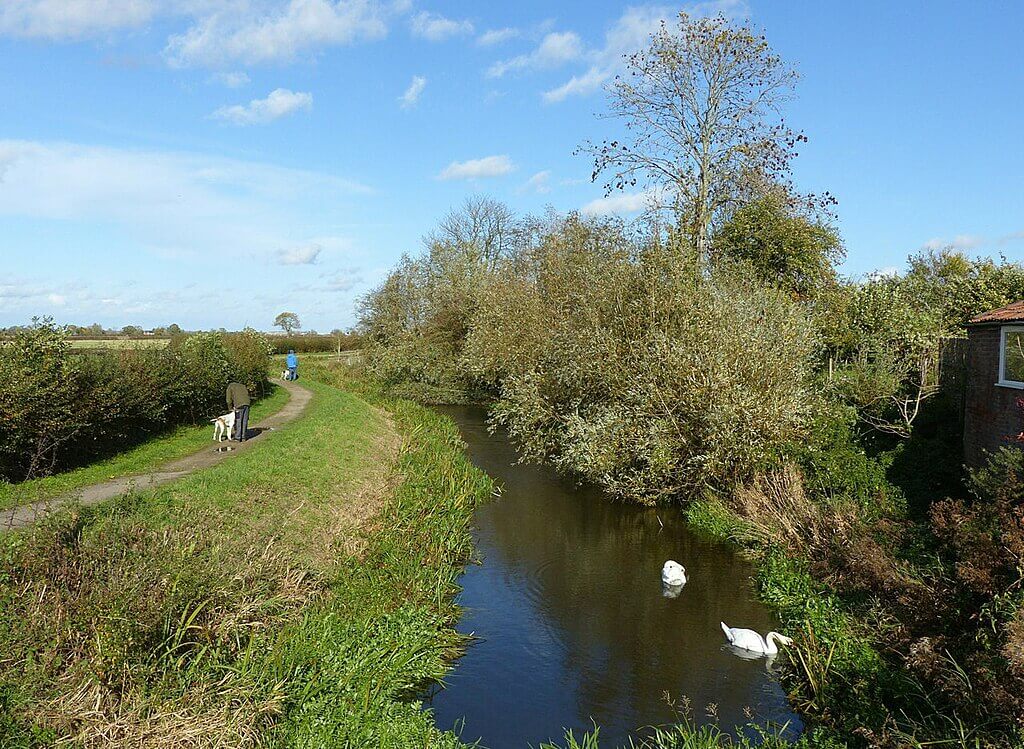

The Grantham Canal runs for 33 miles from West Bridgford through to Grantham in Lincolnshire, offering flat, linear walking along a historic waterway. The towpath is well maintained and suitable for all abilities, making it ideal for steady, uncomplicated dog walking. Dogs can be off lead away from livestock, though most walkers keep them on leads near bridges and busier sections.
A popular section runs from West Bridgford to Cotgrave Country Park, covering approximately 11 km one way. The canal passes through quiet countryside and small villages, with occasional opportunities to stop at dog-friendly pubs like The Dirty Duck. Cotgrave Country Park at the far end offers additional walking routes and even a dog swimming pool. This walk works well as an out-and-back route or can be shortened by turning around at any point.
- Distance: Up to 11 km one way, 22 km return (7 miles one way, 14 miles return)
- Difficulty: Easy, completely flat towpath
- Parking: Roadside parking in West Bridgford or Cotgrave car park
- Facilities: Limited facilities along route, pubs at intervals
- Terrain: Canal towpath, flat and surfaced
- Best for: Long, flat walking with flexible distance options
Bestwood Country Park Former Colliery Circuit
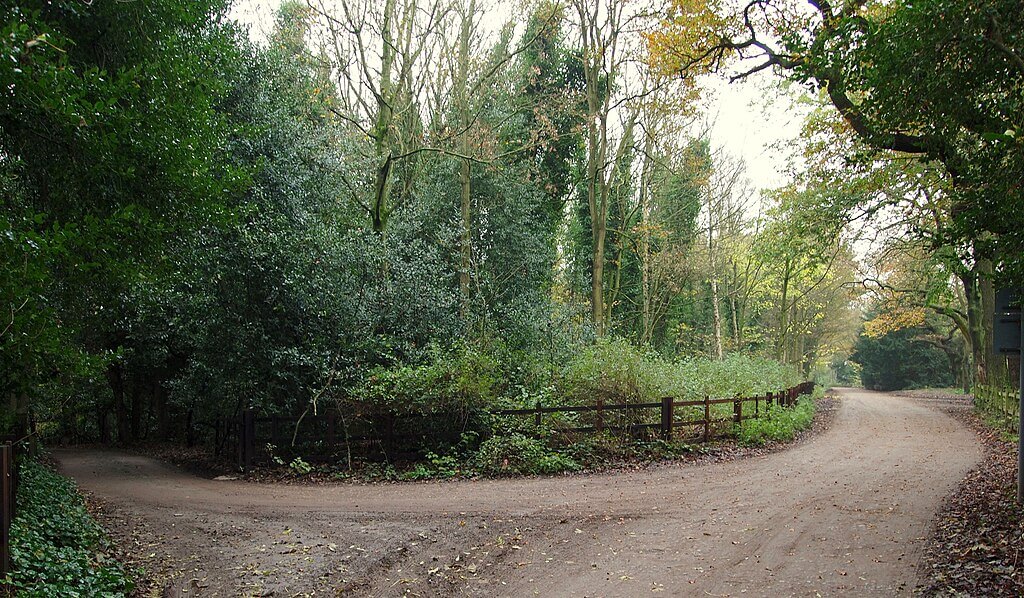

Bestwood Country Park occupies land that was once part of Sherwood Forest and later became Bestwood Colliery. The park covers 650 acres of woodland, wildflower meadows and mill ponds, with the remains of the colliery winding house still standing as a reminder of industrial history. The landscape feels surprisingly wild for a site so close to Nottingham.
Dogs are welcome and can be off lead in most areas, though signs indicate where leads are required. The park offers multiple trails ranging from short loops to longer woodland walks, with the terrain varying from flat lakeside paths to gentle slopes through woodland. Facilities are basic but functional, with toilets and a café near the main entrance. This is a good choice for dogs that enjoy woodland exploration without excessive crowds.
- Distance: 3.2 km to 8 km (2 to 5 miles) depending on route choice
- Difficulty: Easy to moderate, some gentle slopes
- Parking: Main car park off Mill Lane, free parking
- Facilities: Toilets and café near entrance
- Terrain: Woodland, meadows and lakeside paths
- Best for: Woodland walking with off-lead freedom near the city
Newstead Abbey Parkland and Japanese Garden Circuit
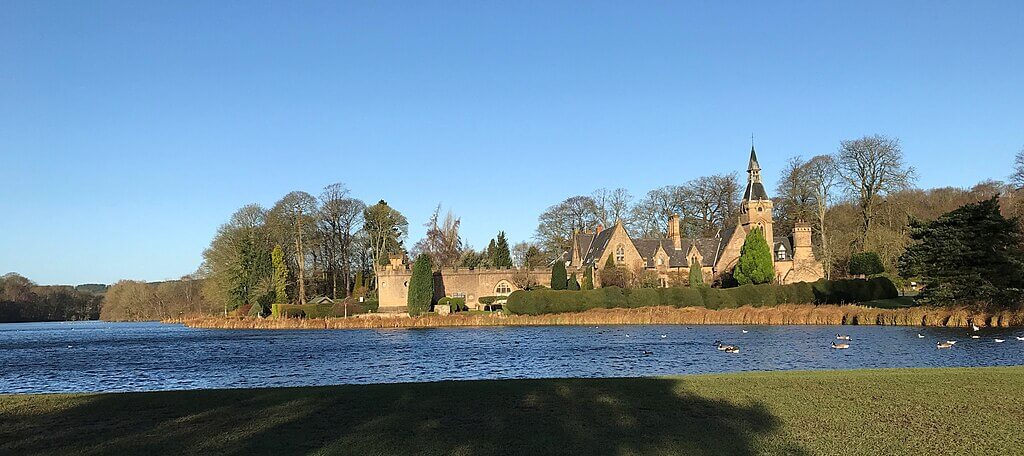

Newstead Abbey was the ancestral home of Lord Byron and is now a museum and gardens set within 300 acres of parkland. Dogs are welcome throughout the grounds, including the landscaped gardens, woodland trails and lakeside paths. Byron was a dog lover himself and his Newfoundland, Boatswain, is buried in the grounds with an epitaph written by the poet.
The estate offers multiple walking routes ranging from short garden loops to longer circuits through the parkland and woodland. The Japanese Garden and waterfall provide particular interest, and the network of paths allows for flexible route planning. Dogs must be kept under control near the formal gardens and abbey ruins. Parking costs £6 for the day, and facilities include toilets and a café.
- Distance: 3.2 km to 8 km (2 to 5 miles) depending on route choice
- Difficulty: Easy to moderate, some gentle slopes
- Parking: Main car park, £6 all day
- Facilities: Toilets, café and shop
- Terrain: Parkland, woodland, gardens and lakeside paths
- Best for: Historical estates and varied landscape walking
Rufford Abbey and Sherwood Heath Circular
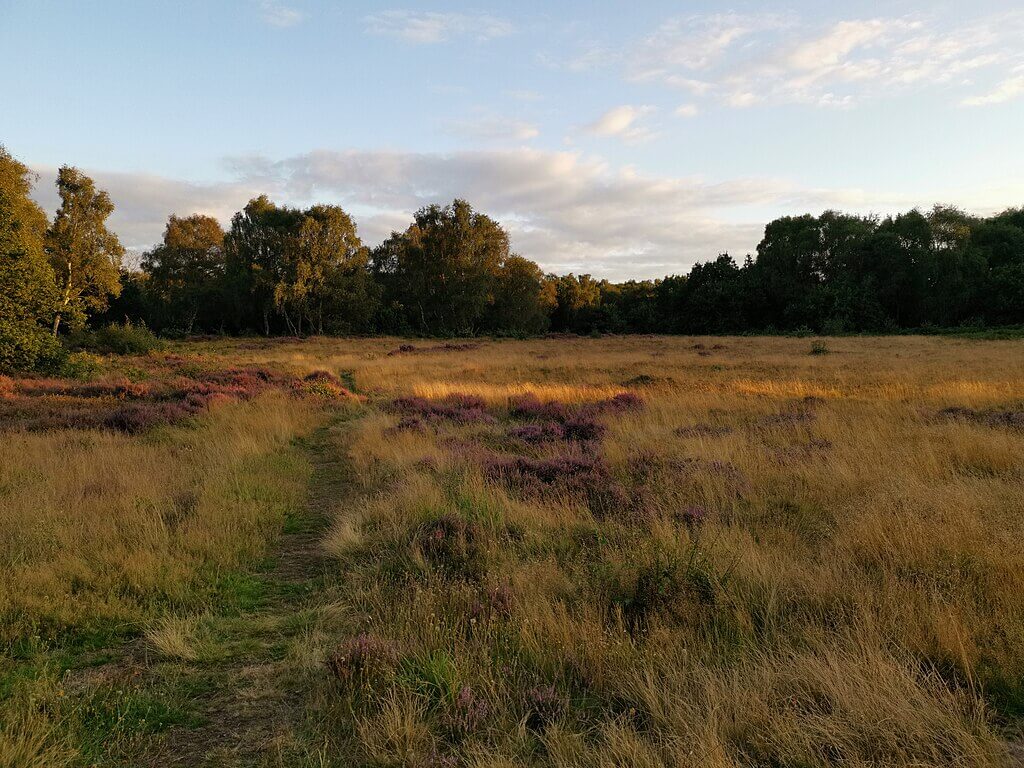

Rufford Abbey Country Park combines the ruins of a 12th-century Cistercian abbey with 150 acres of parkland, formal gardens and woodland. The estate has been managed as a public park since 1969 and offers well-maintained walking routes suitable for all abilities. Dogs are welcome throughout the grounds and can be off lead in woodland areas away from formal gardens.
The main circular route is approximately 4.8 km and takes in the abbey ruins, sculpture trail, lake and woodland paths. The park feels well cared for without being overly manicured, and the mix of historical features and natural landscape provides good variety. Facilities include a café, toilets and a craft centre, and parking is pay and display.
- Distance: 4.8 km (3 miles) circular
- Difficulty: Easy, mostly flat with gentle slopes
- Parking: Main car park, pay and display
- Facilities: Café, toilets, shop and craft centre
- Terrain: Parkland, woodland and formal gardens
- Best for: Abbey ruins and well-maintained estate walking
Nottingham and Beeston Canal Five Mile Linear Walk
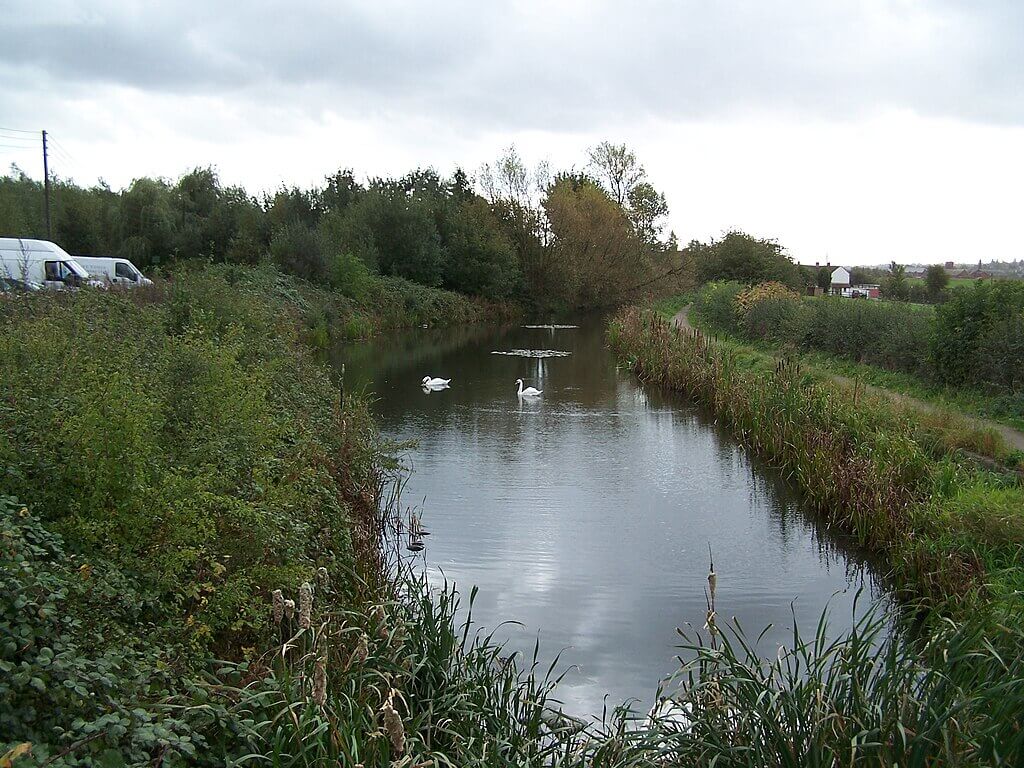
The Nottingham and Beeston Canal provides a straightforward linear walk of 8 km between Beeston Lock and Nottingham Railway Station, following the canal towpath through a mix of urban and semi-rural landscapes. The path is flat, wide and well maintained, making it suitable for all abilities and ideal for dogs comfortable with canal-side walking.
The route passes through Beeston Marina at one end and enters Nottingham city centre at the other, offering opportunities to combine walking with practical stops. Dogs can be off lead away from lock areas and bridges, though most walkers keep them on leads in busier sections. The walk can be done as an out-and-back route or as a linear walk with public transport return options.
- Distance: 8 km one way, 16 km return (5 miles one way, 10 miles return)
- Difficulty: Easy, completely flat
- Parking: Beeston Marina or Nottingham city centre
- Facilities: Limited facilities along route, cafés at both ends
- Terrain: Canal towpath, flat and surfaced
- Best for: Urban canal walking with flexible distance and direction
Map of Dog Friendly Walks in Nottinghamshire
Use the map below to explore the walks featured in this guide. Each pin marks the recommended parking location for the start of the walk, making it straightforward to plan your route and navigate to the trailhead.
The Nottingham and Beeston Canal provides a straightforward linear walk of 8 km between Beeston Lock and Nottingham Railway Station, following the canal towpath through a mix of urban and semi-rural landscapes. The path is flat, wide and well maintained, making it suitable for all abilities and ideal for dogs comfortable with canal-side walking.
The route passes through Beeston Marina at one end and enters Nottingham city centre at the other, offering opportunities to combine walking with practical stops. Dogs can be off lead away from lock areas and bridges, though most walkers keep them on leads in busier sections. The walk can be done as an out-and-back route or as a linear walk with public transport return options.
- Distance: 8 km one way, 16 km return (5 miles one way, 10 miles return)
- Difficulty: Easy, completely flat
- Parking: Beeston Marina or Nottingham city centre
- Facilities: Limited facilities along route, cafés at both ends
- Terrain: Canal towpath, flat and surfaced
- Best for: Urban canal walking with flexible distance and direction
Rufford Abbey Country Park combines the ruins of a 12th-century Cistercian abbey with 150 acres of parkland, formal gardens and woodland. The estate has been managed as a public park since 1969 and offers well-maintained walking routes suitable for all abilities. Dogs are welcome throughout the grounds and can be off lead in woodland areas away from formal gardens.
The main circular route is approximately 4.8 km and takes in the abbey ruins, sculpture trail, lake and woodland paths. The park feels well cared for without being overly manicured, and the mix of historical features and natural landscape provides good variety. Facilities include a café, toilets and a craft centre, and parking is pay and display.
- Distance: 4.8 km (3 miles) circular
- Difficulty: Easy, mostly flat with gentle slopes
- Parking: Main car park, pay and display
- Facilities: Café, toilets, shop and craft centre
- Terrain: Parkland, woodland and formal gardens
- Best for: Abbey ruins and well-maintained estate walking
Newstead Abbey was the ancestral home of Lord Byron and is now a museum and gardens set within 300 acres of parkland. Dogs are welcome throughout the grounds, including the landscaped gardens, woodland trails and lakeside paths. Byron was a dog lover himself and his Newfoundland, Boatswain, is buried in the grounds with an epitaph written by the poet.
The estate offers multiple walking routes ranging from short garden loops to longer circuits through the parkland and woodland. The Japanese Garden and waterfall provide particular interest, and the network of paths allows for flexible route planning. Dogs must be kept under control near the formal gardens and abbey ruins. Parking costs £6 for the day, and facilities include toilets and a café.
- Distance: 3.2 km to 8 km (2 to 5 miles) depending on route choice
- Difficulty: Easy to moderate, some gentle slopes
- Parking: Main car park, £6 all day
- Facilities: Toilets, café and shop
- Terrain: Parkland, woodland, gardens and lakeside paths
- Best for: Historical estates and varied landscape walking
Bestwood Country Park occupies land that was once part of Sherwood Forest and later became Bestwood Colliery. The park covers 650 acres of woodland, wildflower meadows and mill ponds, with the remains of the colliery winding house still standing as a reminder of industrial history. The landscape feels surprisingly wild for a site so close to Nottingham.
Dogs are welcome and can be off lead in most areas, though signs indicate where leads are required. The park offers multiple trails ranging from short loops to longer woodland walks, with the terrain varying from flat lakeside paths to gentle slopes through woodland. Facilities are basic but functional, with toilets and a café near the main entrance. This is a good choice for dogs that enjoy woodland exploration without excessive crowds.
- Distance: 3.2 km to 8 km (2 to 5 miles) depending on route choice
- Difficulty: Easy to moderate, some gentle slopes
- Parking: Main car park off Mill Lane, free parking
- Facilities: Toilets and café near entrance
- Terrain: Woodland, meadows and lakeside paths
- Best for: Woodland walking with off-lead freedom near the city
The Grantham Canal runs for 33 miles from West Bridgford through to Grantham in Lincolnshire, offering flat, linear walking along a historic waterway. The towpath is well maintained and suitable for all abilities, making it ideal for steady, uncomplicated dog walking. Dogs can be off lead away from livestock, though most walkers keep them on leads near bridges and busier sections.
A popular section runs from West Bridgford to Cotgrave Country Park, covering approximately 11 km one way. The canal passes through quiet countryside and small villages, with occasional opportunities to stop at dog-friendly pubs like The Dirty Duck. Cotgrave Country Park at the far end offers additional walking routes and even a dog swimming pool. This walk works well as an out-and-back route or can be shortened by turning around at any point.
- Distance: Up to 11 km one way, 22 km return (7 miles one way, 14 miles return)
- Difficulty: Easy, completely flat towpath
- Parking: Roadside parking in West Bridgford or Cotgrave car park
- Facilities: Limited facilities along route, pubs at intervals
- Terrain: Canal towpath, flat and surfaced
- Best for: Long, flat walking with flexible distance options
Attenborough Nature Reserve was established in 1966 on reclaimed gravel pits and opened by Sir David Attenborough. The site covers 220 hectares of flooded pits, islands, reed beds and wetlands, making it one of the best birdwatching locations in the East Midlands. Dogs must be kept on leads throughout the reserve to protect ground-nesting birds and wildlife.
The Skylark Trail is the longest of the marked routes at 4.2 km and follows the railway line towards Long Eaton before returning along the River Trent. It is quieter than the shorter Tufted Duck Route, making it better for dogs that prefer less crowded paths. The reserve feels surprisingly wild given its proximity to Nottingham city centre, and the flat, well-maintained paths make it accessible for all abilities. A visitor centre provides café facilities and toilets.
- Distance: 4.2 km (2.6 miles) circular
- Difficulty: Easy, completely flat on surfaced paths
- Parking: Reserve car park, £3 all day (free for members)
- Facilities: Visitor centre with café, toilets and shop
- Terrain: Lakeside paths, wetland and riverside walking
- Best for: Birdwatching and calm, flat walking near the city
The Nottinghamshire Wolds are a series of low, rolling hills in the south of the county, offering quiet countryside walking through farmland and small villages. This circular route links Keyworth, Widmerpool and Wysall through a combination of green lanes, tracks and footpaths, with good views north across the Trent Valley.
The walking is easy-going with gentle climbs that barely register, making it suitable for all abilities. Livestock will be encountered, particularly cattle and horses in the final section, so dogs need to be under control. The Plough Inn at Wysall provides a good midpoint stop. The route uses mostly field edges and established tracks, though some sections can be muddy after wet weather. This is proper countryside walking away from tourist infrastructure.
- Distance: 13 km (8 miles) circular
- Difficulty: Moderate, rolling farmland with gentle climbs
- Parking: Keyworth village car park, free parking
- Facilities: Pubs in Keyworth and Wysall, limited facilities on route
- Terrain: Farmland, green lanes, tracks and field paths
- Best for: Quiet countryside and village-to-village walking
Clumber Park was the country estate of the Dukes of Newcastle until the house was demolished in 1938, leaving behind 3,800 acres of parkland, woodland and the longest double lime tree avenue in Europe. The estate is now managed by the National Trust and holds three pawprint rating, which means dogs are genuinely welcome rather than merely tolerated.
The Thoresby Border livestock-free walk covers 9.5 km and takes in Lime Tree Avenue, heathland restoration areas and woodland trails along the border of Clumber and Thoresby estates. Dogs can be off lead in designated areas, making this one of the few National Trust properties where genuine off-lead walking is encouraged. The park also offers a dedicated dog-friendly café called Central Bark, which provides indoor seating, water bowls and even a warm water dog shower for muddy paws.
- Distance: 9.5 km (6 miles) circular
- Difficulty: Easy, mostly flat with gentle slopes
- Parking: Main visitor car park, free for National Trust members
- Facilities: Central Bark dog café, toilets, shop and main café
- Terrain: Parkland, woodland, heathland and gravel paths
- Best for: National Trust estates and dedicated dog facilities
Creswell Crags sits on the Nottinghamshire and Derbyshire border, a limestone gorge honeycombed with caves that sheltered Ice Age hunters 50,000 years ago. The gorge contains Britain’s only authenticated Ice Age cave art and more witch marks than anywhere else in the UK. The site operates as a protected heritage location with a visitor centre and museum, but the walk around Crags Lake and through the gorge is free and dog friendly.
The basic lake circuit is short at around 2.4 km, but the walk can be extended by picking up the Robin Hood Way long-distance path which runs through the site. Dogs must be kept on leads throughout to protect the geological and archaeological features. The gorge itself is dramatic, with towering limestone cliffs rising above the water and caves visible on both sides. A café with outdoor seating welcomes dogs, and the surrounding countryside offers opportunities to extend the walk into rural Derbyshire.
- Distance: 2.4 km to 6.4 km (1.5 to 4 miles) depending on route choice
- Difficulty: Easy, mostly flat with surfaced paths
- Parking: Visitor centre car park, £6 all day
- Facilities: Visitor centre with café, toilets and museum
- Terrain: Limestone gorge, lakeside paths and surfaced trails
- Best for: Geological drama and Ice Age history
Sherwood Forest is managed by the RSPB and operates as a National Nature Reserve, which brings a professional sheen to what could easily feel like a tourist attraction. The Major Oak Trail is the shortest and most popular route at one and a half miles, leading directly to the legendary tree said to have sheltered Robin Hood. The oak itself is fenced off and supported by scaffolding, but the walk there passes through genuine ancient woodland that predates the legend.
For dogs that prefer longer routes, the Wildwood Trail covers four miles and takes in heathland, birch groves and areas of newer planting alongside the veteran oaks. Dogs must be kept on leads throughout the forest to protect ground flora and invertebrates, which makes this better suited to dogs comfortable with steady, controlled walking rather than off-lead running. The paths are well surfaced and signposted, and the visitor centre provides proper facilities including a café and toilets.
- Distance: 2.4 km to 6.4 km (1.5 to 4 miles) depending on trail choice
- Difficulty: Easy, mostly flat with compacted paths
- Parking: RSPB visitor centre car park, pay and display
- Facilities: Visitor centre with café, toilets and shop
- Terrain: Ancient oak woodland, heathland and surfaced paths
- Best for: Historical interest and well-maintained woodland walking
Explore dog friendly walks across the UK using our Wildpack Map.
Tips for Walking in Nottinghamshire
Nottinghamshire’s walks are generally well maintained and accessible, but a few practical considerations help ensure smooth outings.
- Check deer restrictions at Wollaton Park and Clumber Park if visiting, particularly during calving and rutting seasons
- Book National Trust parking in advance at Clumber Park during peak times
- Bring waste bags for canal and nature reserve walks where bins are limited
- Keep dogs on leads in all nature reserves to protect ground-nesting birds
- Parking can be busy at Sherwood Forest on weekends and school holidays
- Many walks are former industrial sites or estates, paths are generally well surfaced
- Limestone areas like Creswell Crags can be slippery when wet
- Farmland walks may encounter livestock, particularly cattle in summer months
What’s Nearby?
If you are exploring Nottinghamshire, the surrounding counties offer additional walking and outdoor opportunities that pair well with these routes.
- Dog friendly walks in Derbyshire – Peak District trails, dales and moorland walking
- Dog friendly walks in Lincolnshire – Wolds walking, coastal paths and fenland routes
- Dog friendly walks in Leicestershire – Charnwood Forest, Bradgate Park and canal paths
- Dog friendly walks in the Peak District – dramatic upland walking and limestone dales an hour west