
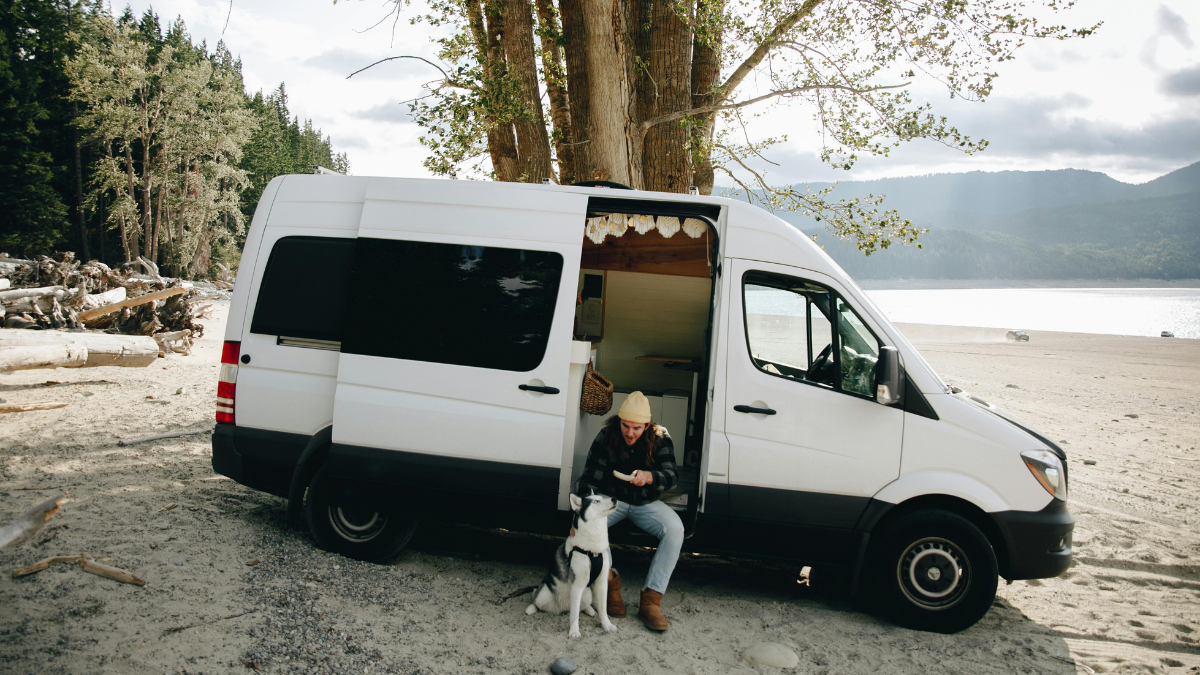

A campervan is the obvious way to do the North Coast 500 with a dog. Your bed comes with you, the dog has a familiar space every night, and you are never hunting for the one hotel room in the village that takes pets. Hiring one is simple too, because several firms near the start of the route welcome dogs and do not charge for them.
What varies is the detail: how many dogs, how big, and what happens if the van comes back hairy. We checked each firm's published policy in September 2026. Policies change, so confirm when you book.
Dog friendly campervan hire near Inverness
| Firm | Based | Dogs | Extra charge |
|---|---|---|---|
| Highland Auto Campers | North Kessock, Inverness | Small and medium dogs, up to two | None |
| Rover Rentals | Inverness | Welcome | None |
| Coocoo Campers | Inverness | Welcome | Ask when booking |
| GoNorth Campers | Elgin, Moray | Welcome | None |
Highland Auto Campers is based at North Kessock, just over the bridge from Inverness and on the route itself. It takes small and medium dogs, two at most, at no extra cost. It asks you to bring your dog's own bed, keep dogs off the beds and seats, and never leave them alone in the van. A cleaning charge may apply if the van comes back with a lot of hair or dirt.
Rover Rentals in Inverness sets its motorhome up for dogs, with a cushion, bowls, a dog fence, a long line and toys provided. There is no charge for dogs, and the van is cleaned thoroughly between hires.
Coocoo Campers, also in Inverness, hires custom built campervans and describes them as dog friendly. Its site points to a separate pet policy, so ask about fees and numbers when you enquire.
GoNorth Campers is in Elgin, east of Inverness, and says pets go free.
What to check before you book
- Size and number of dogs. Some firms cap both. Say what you have at the start.
- Cleaning charges. No pet fee does not always mean no cleaning fee. Ask what counts as extra cleaning.
- Where the dog travels. You need a way to restrain your dog while driving: a harness that clips to a seat belt, a crate or a guard. Ask what the van has anchor points for.
- Where the dog sleeps. Most firms want dogs off the beds and upholstery. Bring their own bed and a throw.
- Leaving the dog. Expect a rule against leaving dogs alone in the van. Plan meals around places that welcome them.
- Ventilation. A roof vent or fan matters in summer. A van warms quickly even in the Highlands.
Our guides to dog safety when travelling in a campervan and the vanlife packing list for dogs go into the kit.
Choosing the right size of van for the NC500
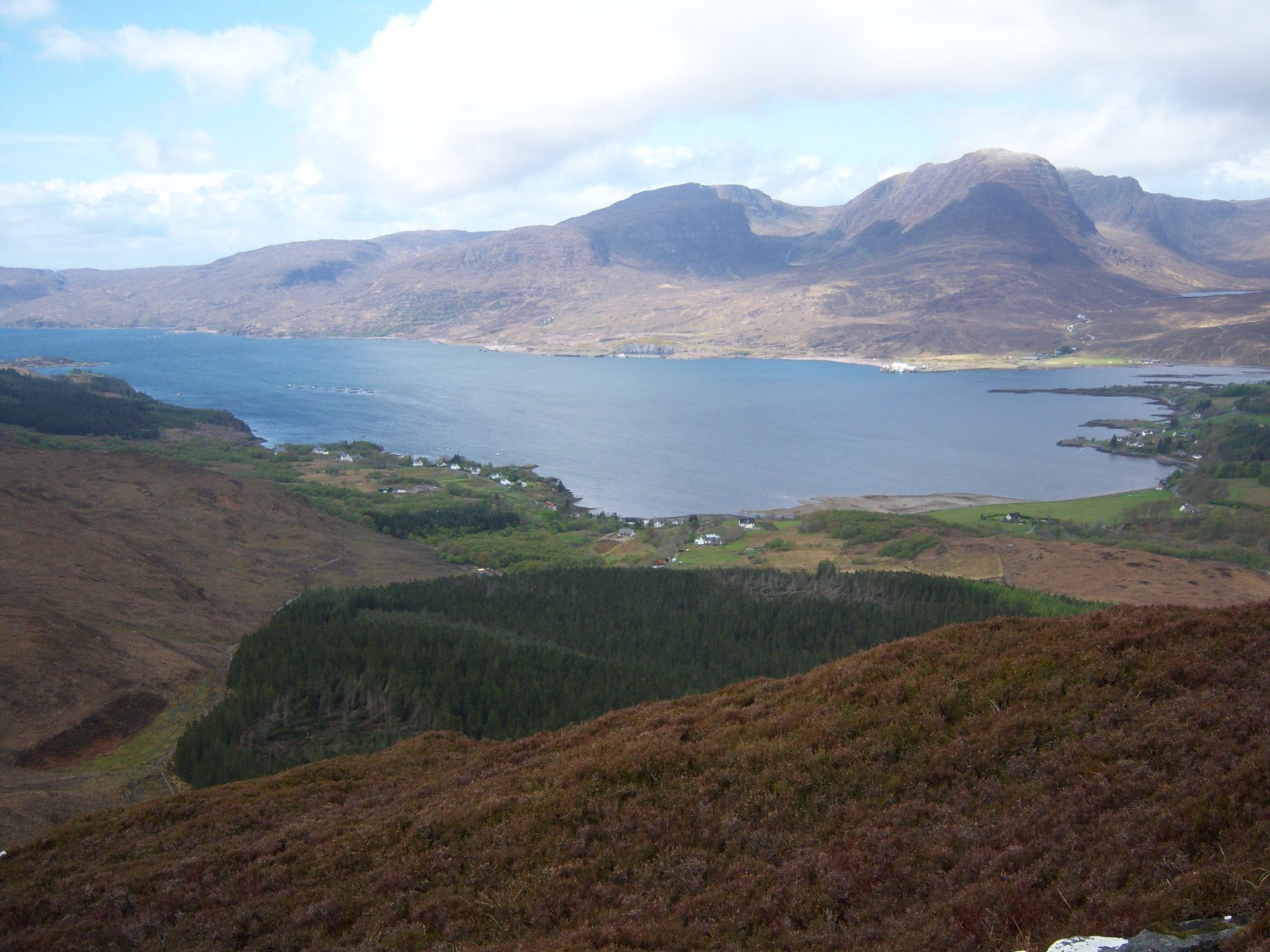
Bigger is not better on this route. Long stretches of the north and west coasts are single-track with passing places, and two sections are hard in a large vehicle:
- The Bealach na Bà, the pass to Applecross, climbs to about 630 metres in hairpins with gradients up to 1 in 5. The sign at the bottom says it is not advised for very large vehicles, caravans or learner drivers. The alternative is the coast road round by Shieldaig.
- The Drumbeg road between Kylesku and Lochinver is steep, narrow and twisting. If you cannot comfortably reverse your vehicle a few hundred yards on a narrow road, use the main road instead.
A panel van conversion goes almost anywhere a car can. A coachbuilt motorhome gives you and the dog more room and asks for more planning.
Where to stay overnight in a van
Scotland's access rights cover people on foot, not vehicles, so they do not give you a right to sleep in a van wherever you like. Book campsites or recognised stopovers, and use proper facilities for waste. Almost every campsite on the route takes dogs, most without charge, and leads on site is the usual rule.
We list them all, with each site's dog rules, in dog friendly campsites on the NC500.
Driving single-track roads with a dog on board
- Passing places: pull into one on your left, or wait opposite one on your right. Never park in them, even for a photo or a dog break.
- Let traffic past. Pull in and wave faster vehicles through.
- Dog breaks: only let your dog out in a proper lay-by or car park, and clip the lead on before you open the door. There are often sheep just over the verge.
- Fuel: top up at half a tank. Stations in the north-west are small, far apart and some close early.
How far to drive each day? See how many days you need for the NC500 with a dog.
For the quietest roads and the fewest midges, see the best time to do the NC500 with a dog.
Final thoughts
Hiring a van for the NC500 with a dog is straightforward. Several firms at the start of the route welcome dogs at no cost, and one kits the van out for them. Choose the smallest van you will be comfortable in, be straight with the firm about your dog, and book your campsites before you collect the keys.
If you are building your own instead, our dog friendly van conversion guide is the place to start.
More on the NC500 with a dog
- The dog friendly NC500: an overview: Van setup, the main stops and a 10-day outline.
- Dog friendly campsites on the NC500: Where to pitch round the route, and each site's dog rules.
- NC500 7-day itinerary with a dog: The classic week, day by day, built around beaches and walks.
- Dog friendly beaches on the NC500: Twelve beaches worth stopping for, east coast to west.
- Dog friendly Inverness: Where to eat, drink, walk and sleep at the start of the route.
- How many days do you need for the NC500 with a dog?: Five, seven, ten or fourteen days compared.
- Where to stay on the NC500 with a dog: Cottages, hotel rooms that take dogs, and campsites.
- Dog friendly Ullapool: Bars, cafés, walks and boat trips in the west coast's main town.
- The best time to do the NC500 with a dog: Midges, ticks, lambing and nesting season, month by month.